
‘A Unique Form of Time-Travel’: Meet YouTube Star & Rare-Book Dealer Tom Ayling
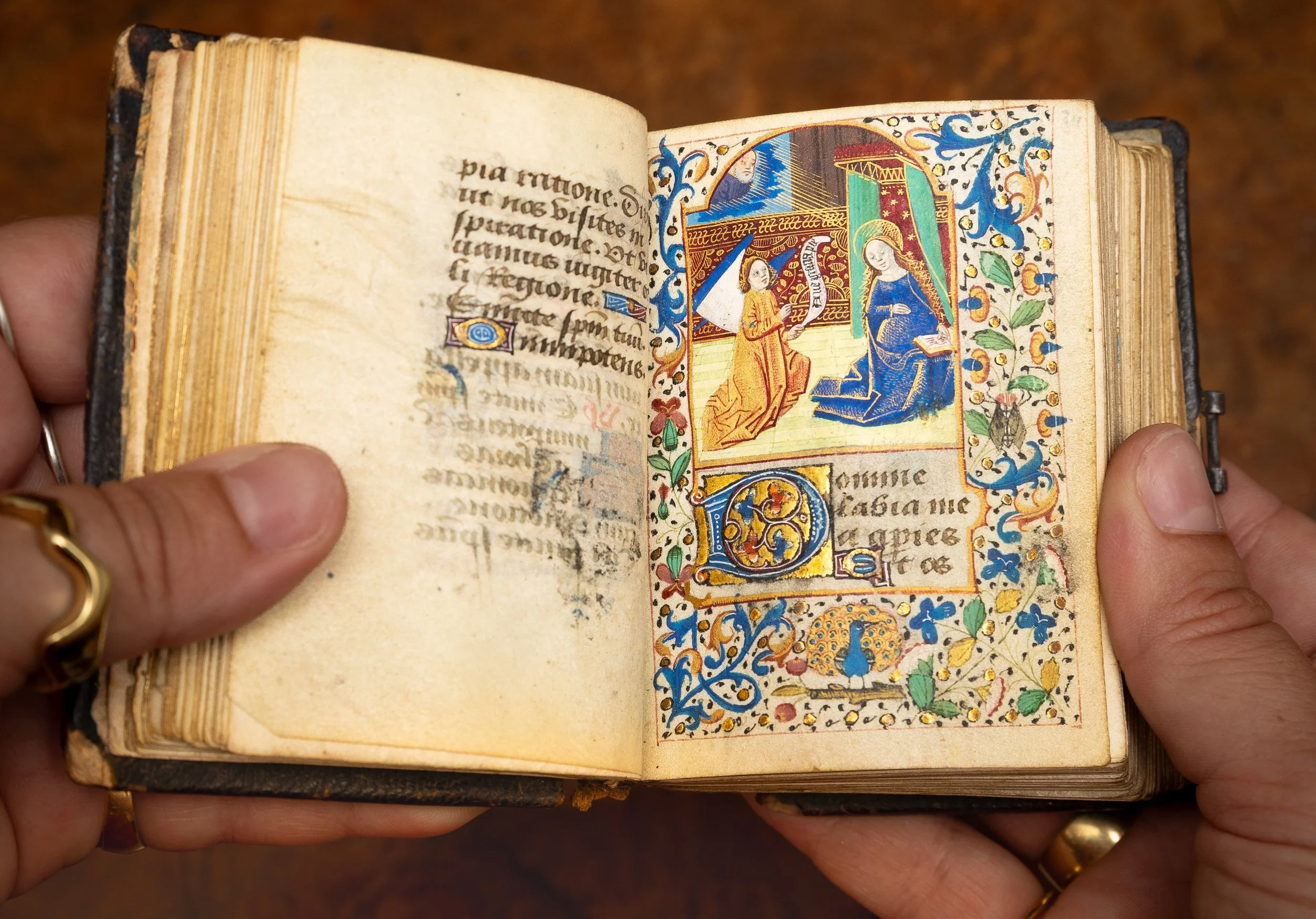
A 500-year-old Book of Hours
A waitress offers to show me the way, ‘I’ve always wanted to see what his office is like,’ she says.
It seems the interest surrounding the young, charismatic, well-spoken rare-book dealer I’m here to interview doesn’t just exist online – it filters into real world intrigue too.
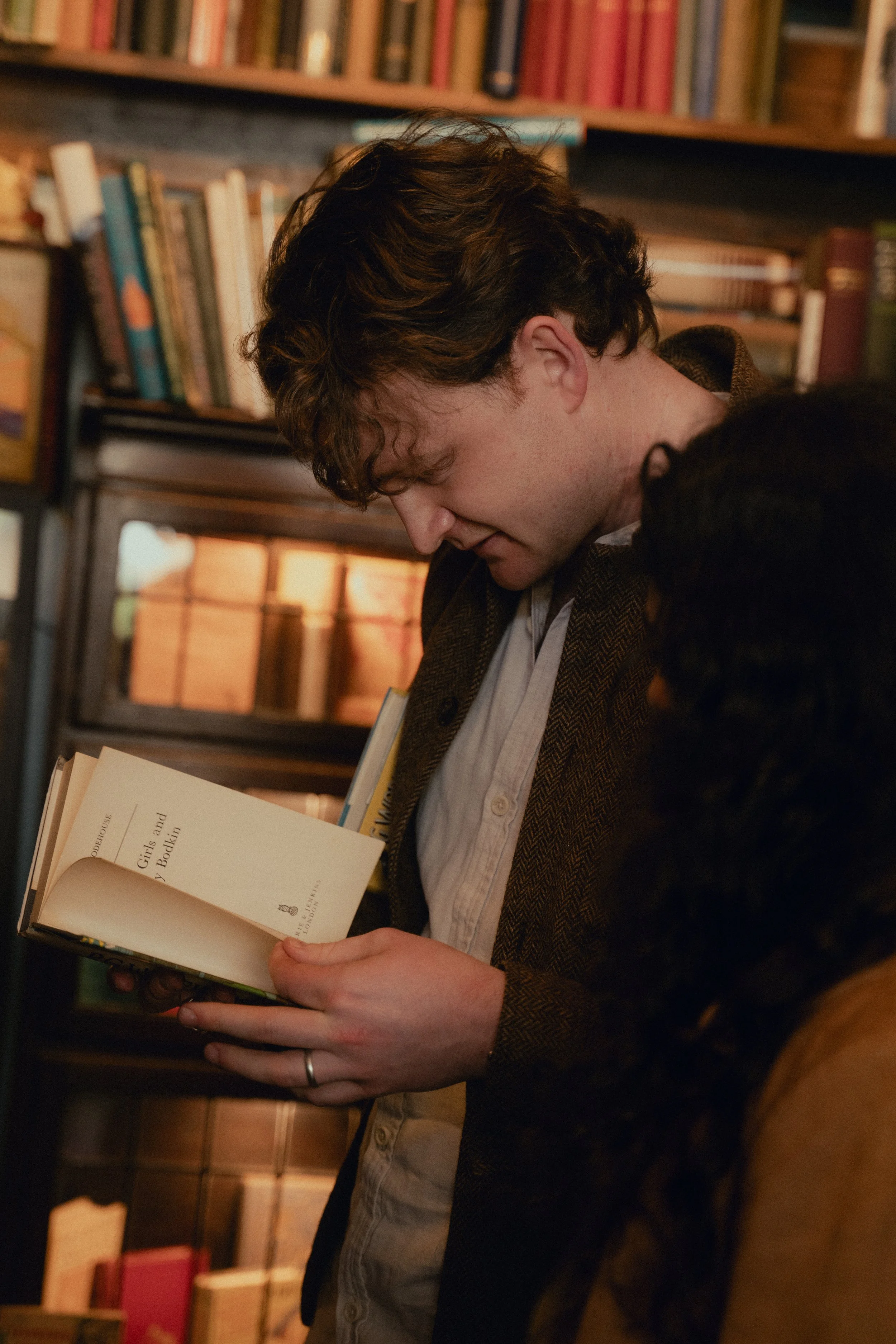
Tom Ayling
Tom Ayling has over a million followers across TikTok, Instagram, Facebook and YouTube. Impressive, given that his content is focused on rare books and manuscripts: hardly the obvious thing to go viral. Yet with his personal brand of educative expertise, his manifest passion and his ASMR-esque enunciation, it’s no surprise people find him magnetic.
What happened next was ‘transformational’
Ayling’s office warranted the excitement of my guide. Walls adorned with prints in sumptuous frames, and a suitably ebullient spaniel greeted me, as did the man himself. The office tour was more akin to a private museum viewing than a work-place run-through, and the final book Ayling shows me is both the smallest and most valuable – it had survived over five hundred years.
‘It’s a Book of Hours,’ Ayling explains. These books were owned by laypeople and were used at home. He points out the faded hand-painted illumination; ‘It’s likely the owner rubbed it off whilst praying for a loved one’.
These details add humanity to the objects Ayling and his colleague, Sienna Wells, deal in, turning the books, manuscripts and printed ephemera in their care from mere paper, parchment and vellum into relics of relatable lives. Ayling’s own obsession sprung from a personal encounter.
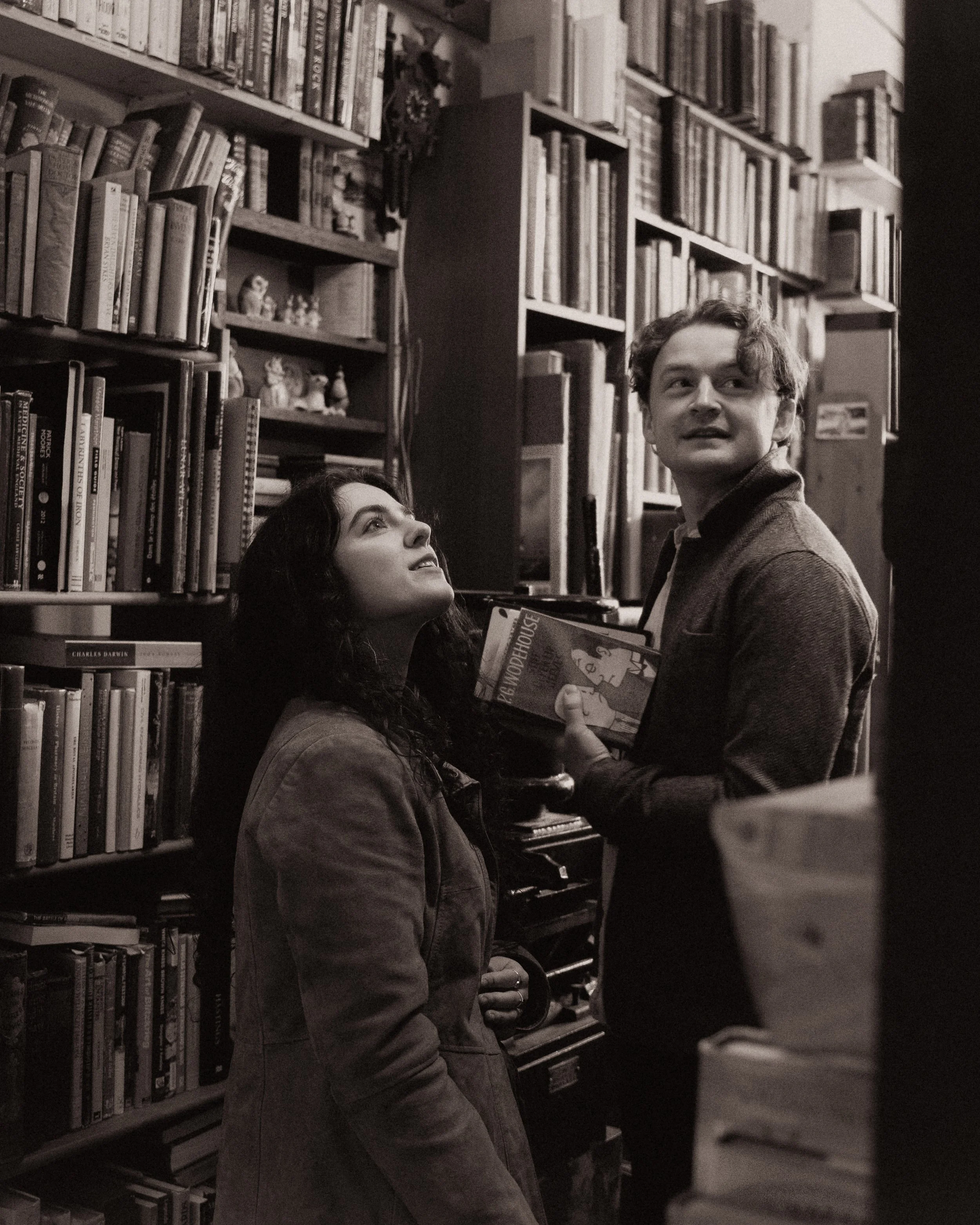
Ayling and his colleague, manuscript specialist Sienna Wells
‘When I was 10 years old, my favourite author was Caroline Lawrence. She came to visit my school, so I eagerly brought in a huge pile of books for her to sign. I handed her a hardback and she said, “that’s a first edition.”’
Ayling had never heard these words before, but something about the way she said it made him think it was special. What happened next was ‘transformational’.
‘I had this experience of the object I received being different from the one I gave.’
‘She said, “because it’s a first edition, there’s a mistake that I need to correct for you.” She opened the book and signed it, inscribing it in Latin. Then turned to the back of the book and corrected this mistake by hand, apologised for it, and handed it back. I had this experience of the object I received being different from the one I gave.’
For Ayling, something clicked. While all books may be created equal, they go on and live lives that make them completely different objects. ‘Twenty years later, I spend my life seeking out more of those moments, where you can feel the weight of an object increase in your hands as you discover more about it.’ Lawrence’s signed book from his childhood is kept next to his desk, alongside a framed manuscript page and his one-hundred-thousand subscriber plaque from YouTube.
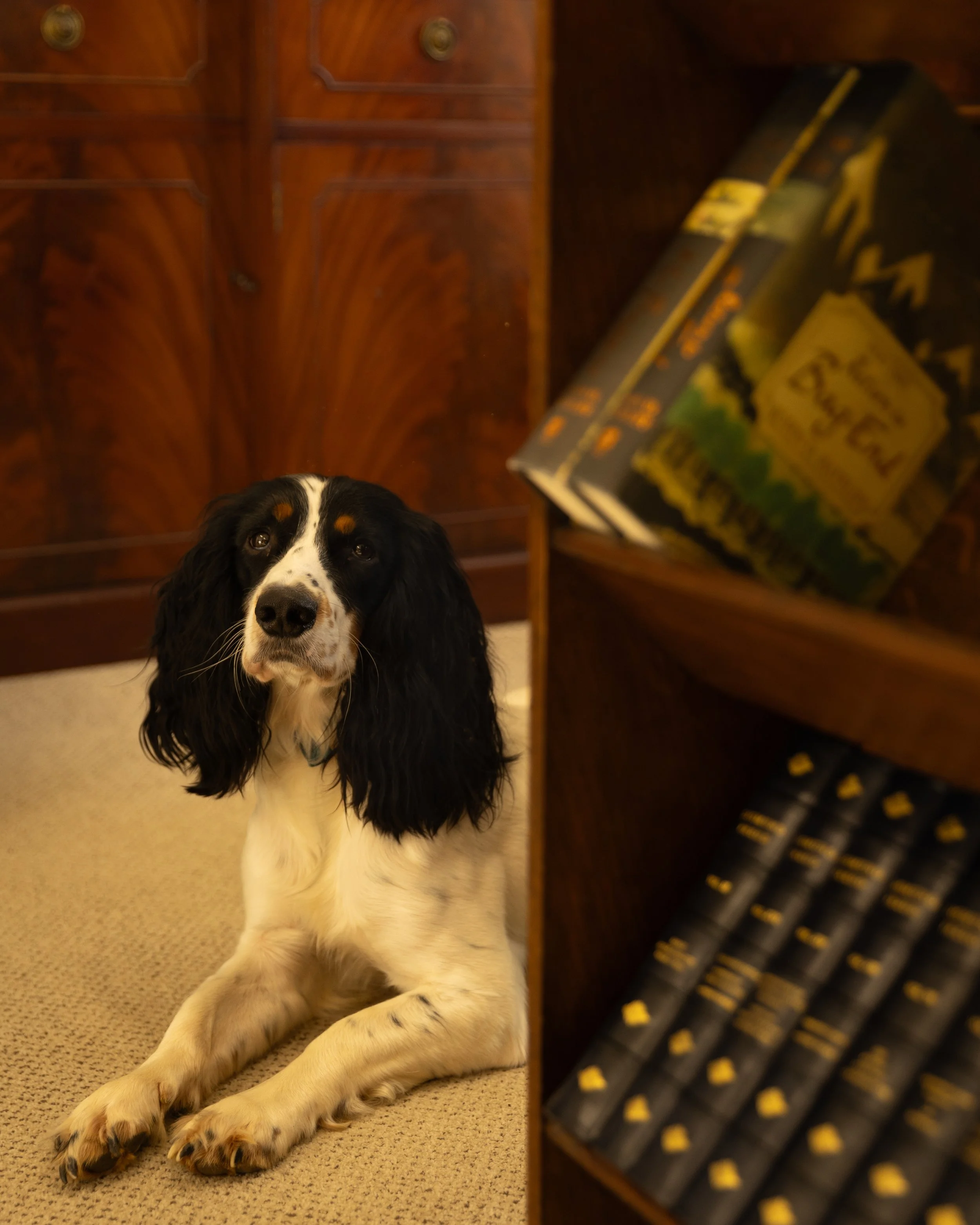
Tom’s English Springer Spaniel Rufus
He admits his success on social platforms is unexpected; they’re not trying to sell. The only goal is to educate people about books and the amazing journey collecting can take you on. Yet his business reaches 8-10 million monthly viewers, while a traditional bookseller would have a painstakingly built up – and very limited – mailing list. Education is key. Ayling admits that the average rare book collector tends to be affluent and older. Yet Ayling and Wells are meeting young people where they are: trawling their feeds. In the process, they are helping to ensure that this hobby survives and hope to ‘spark bibliomania’.
‘We want to be open and honest.’
Perhaps it’s his radical honesty that appeals to Gen Z. ‘I started making the YouTube videos when I started the business. A lot of the content has been about the journey of growing it: the highs and the lows. That includes breaking down the finances. We’ve made videos saying, look, there’s no money in the bank, we need to make ten thousand pounds in sales this week or we’re not going to pay our rent.’
Ayling sees these videos as opportunities to dispel preconceptions, ‘We want to be open and honest,’ he continues. ‘We show it’s really fucking hard work to make a business profitable in the current environment. We make sure we’re looking after our staff and our subcontractors, we’re looking after the people that we buy from, looking after people that we sell to, and if you’re doing all of that, there’s not much money left at the end.’
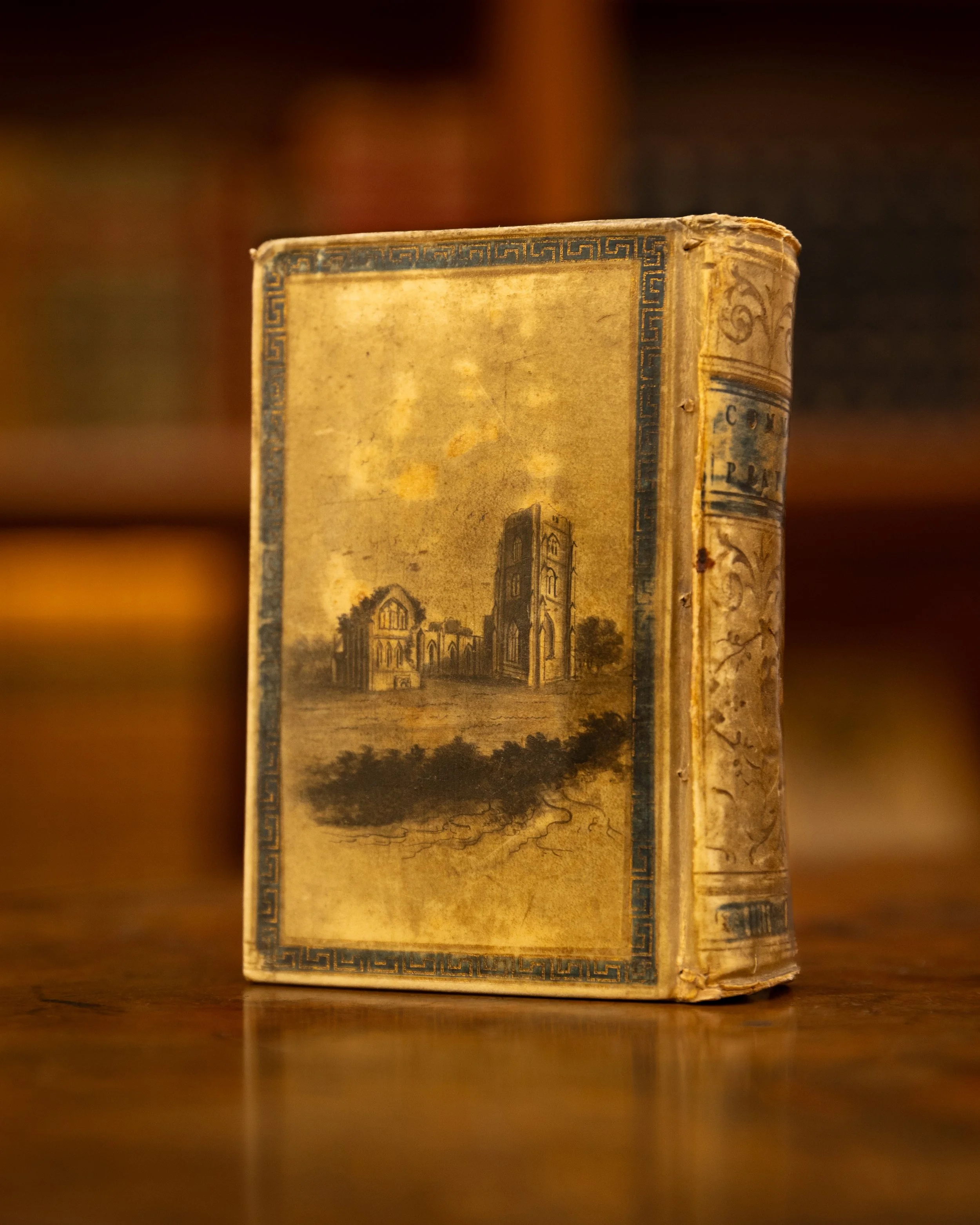
‘People’s collections are their life’s work. There’s so much of the individual in them.’
The rarity of the books Ayling deals in is one of the reasons his costs are so high. Another reason is the sheer quantity of books that can change hands in one deal; last year Ayling was offered the opportunity to buy an entire library. ‘The collector who passed away specialised in fine bindings,’ Ayling explains. ‘It was somewhere between 800 and 1,000 volumes collected over a lifetime… It was an incredible opportunity and we had to make it work.’
Determined not to split up the lovingly curated library, Ayling managed to find someone who was able to house the entire collection.
‘In many ways people’s collections are their life’s work. There’s so much of the individual in them.’ The agreement went one step further; not only would the library stay together, but all those books would be a single unit within their new, bigger library. ‘It stands as a wonderful testament to the person that put it together.’
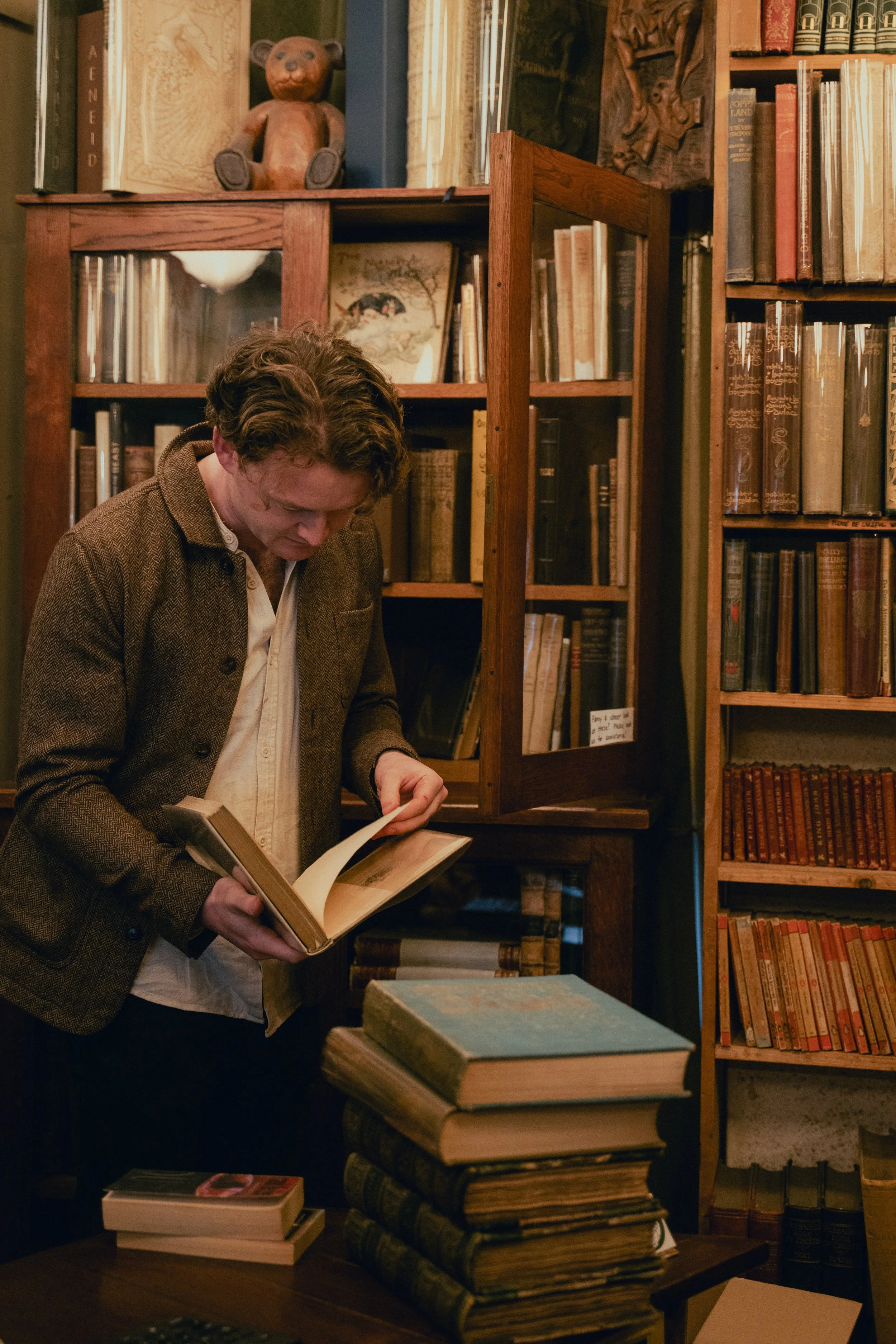
Alongside such quieter legacies are ones of historical importance. Ayling is currently working to preserve a library collected by the Austrian poet and philosopher Emil Alfons Rheinhardt. A noted intellectual, Rheinhardt joined the French Resistance in WWII, though because of this he was arrested and sent to Dachau.
‘Even in Dachau he was living a life of the mind’, Ayling shares, ‘giving lectures on Grillparzer, who was sort of the German Shakespeare. But tragically, he died in the camp. What’s left of him, other than the books he wrote, is the library that he owned. We’re now working to prepare it for sale. In many ways, it’s the final act of preserving his life and legacy.’
‘You get the sense of being in the room and almost witnessing that moment of genius’
Libraries give us access to the minds of those no longer with us, but individual books can be their own, ‘unique and privileged form of time-travel’ too. ‘I did some work at The Bodleian Library,’ Ayling shares, ‘and they had Kafka’s original manuscript for The Castle.’
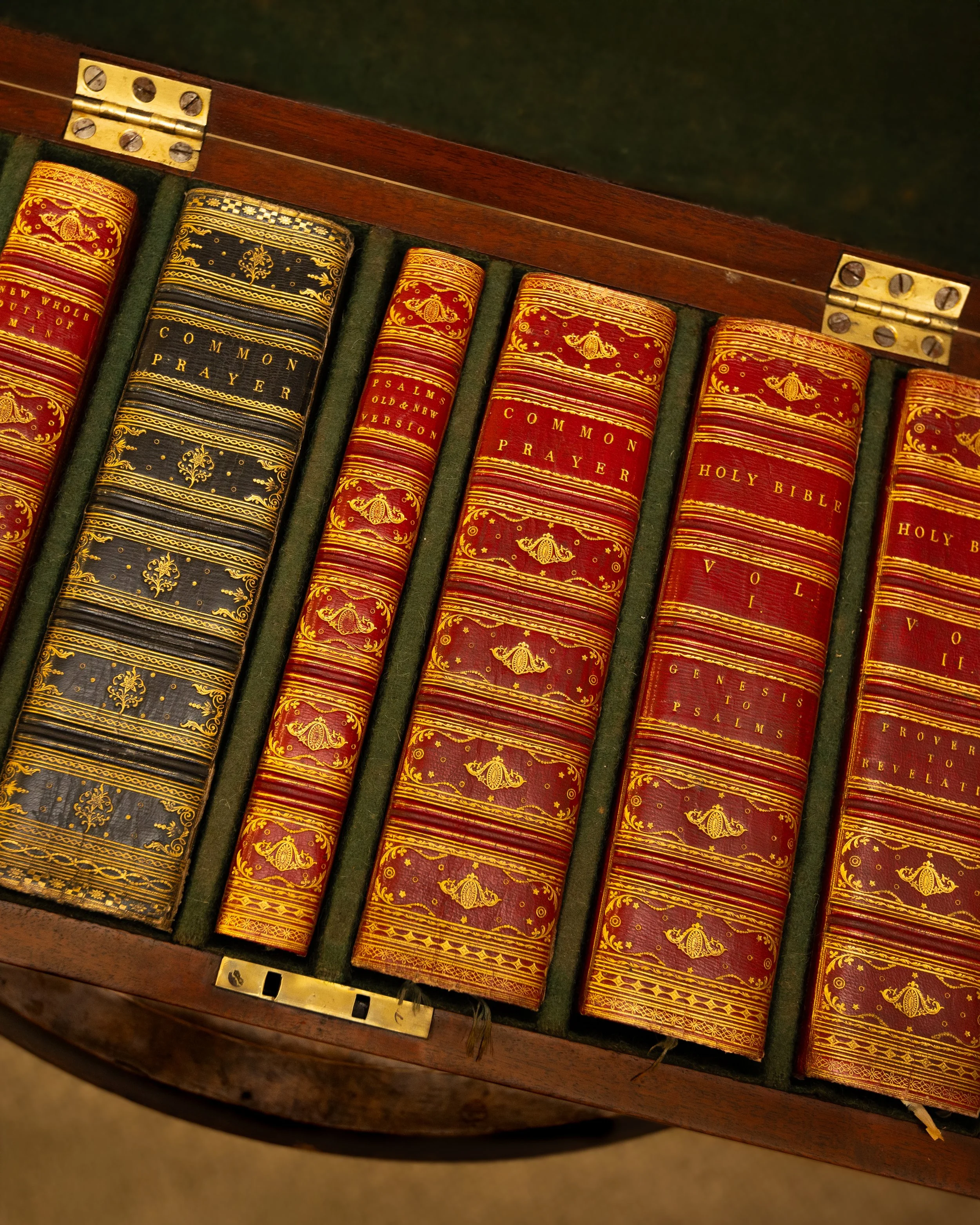
Initially, the manuscript was written in the first person, then Kafka changes his mind and alters it to third person – a crucial conceit of the book. Ayling describes seeing ich crossed over and turned into K, demonstrating Kafka’s thought process right there in ink. ‘You get the sense of being in the room and almost witnessing that moment of genius.’
‘If you’re not having fun doing it, go and take up golf’
Not all book collecting has to involve Kafka’s literary genius or the emotional weight of a man doomed to die in a Nazi camp. It’s a malleable practice, open to all ages and interests.
‘If you’re a massive fan of Wolverhampton Wanderers, why not collect that?’ Ayling shrugs. Or say you’re a fan of Lucien Freud. You may not be able to afford his paintings, but you can buy books about him, or books that inspired him, or even books he once owned. ‘It should be fun. And if you’re not having fun doing it, go and take up golf.’
Images supplied by Tom Ayling