
‘I Have To Do Risky Stuff’: Meet The UK’s First Sikh Conductor
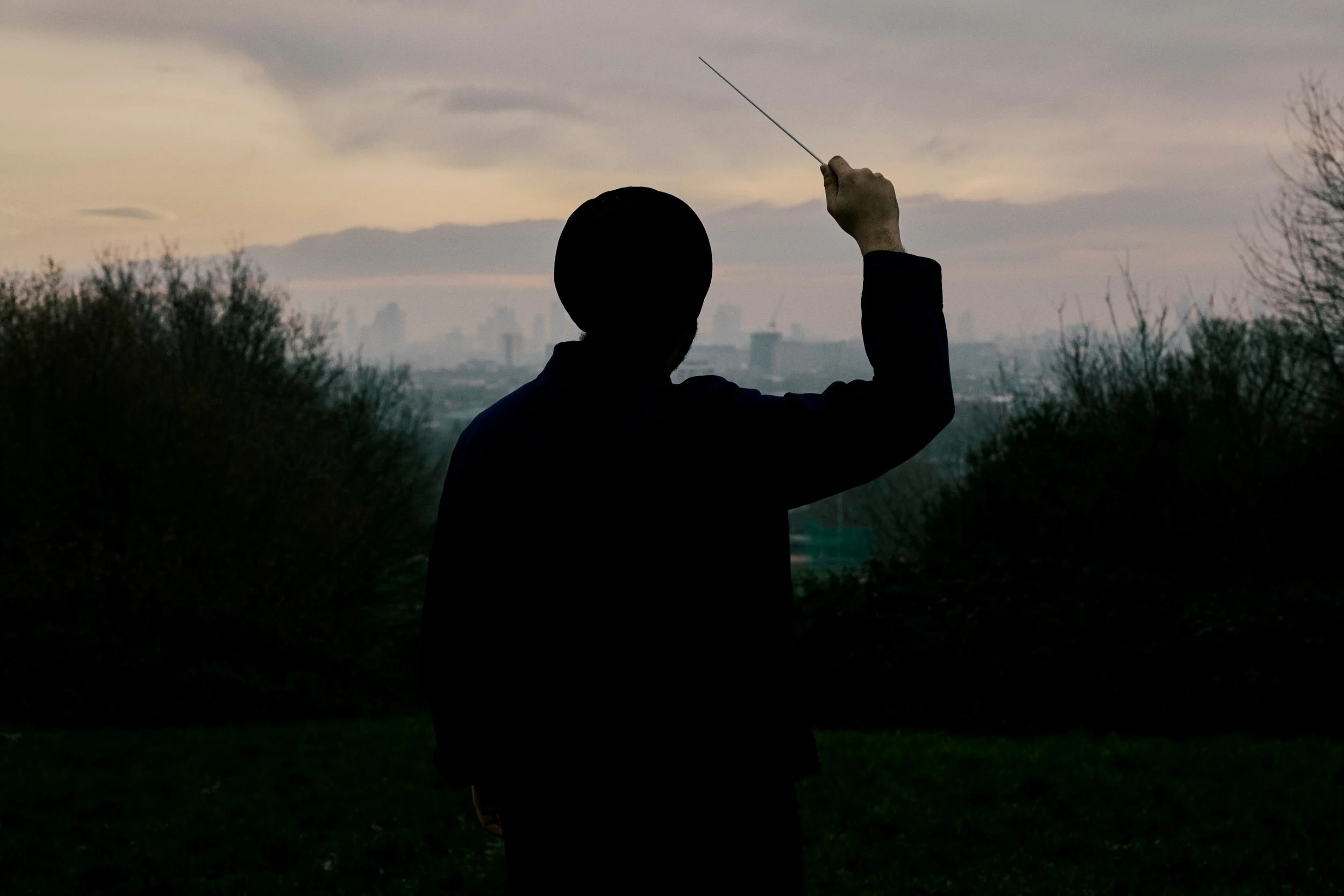
Did you know you can fit precisely four people and one grand piano into a mid-century studio apartment in Notting Hill?
It’s a particularly niche genre of real-life Tetris which requires two people to stand, and one to sit at a small table (there’s no sofas or armchairs - you think there’s room for lounging when a Yamaha is present?) The fourth person, Jashandeep Reehal, sits at the piano: having taught himself to play on the one in Kings Cross Station, it’s probably a relief to perform for such an intimate crowd.
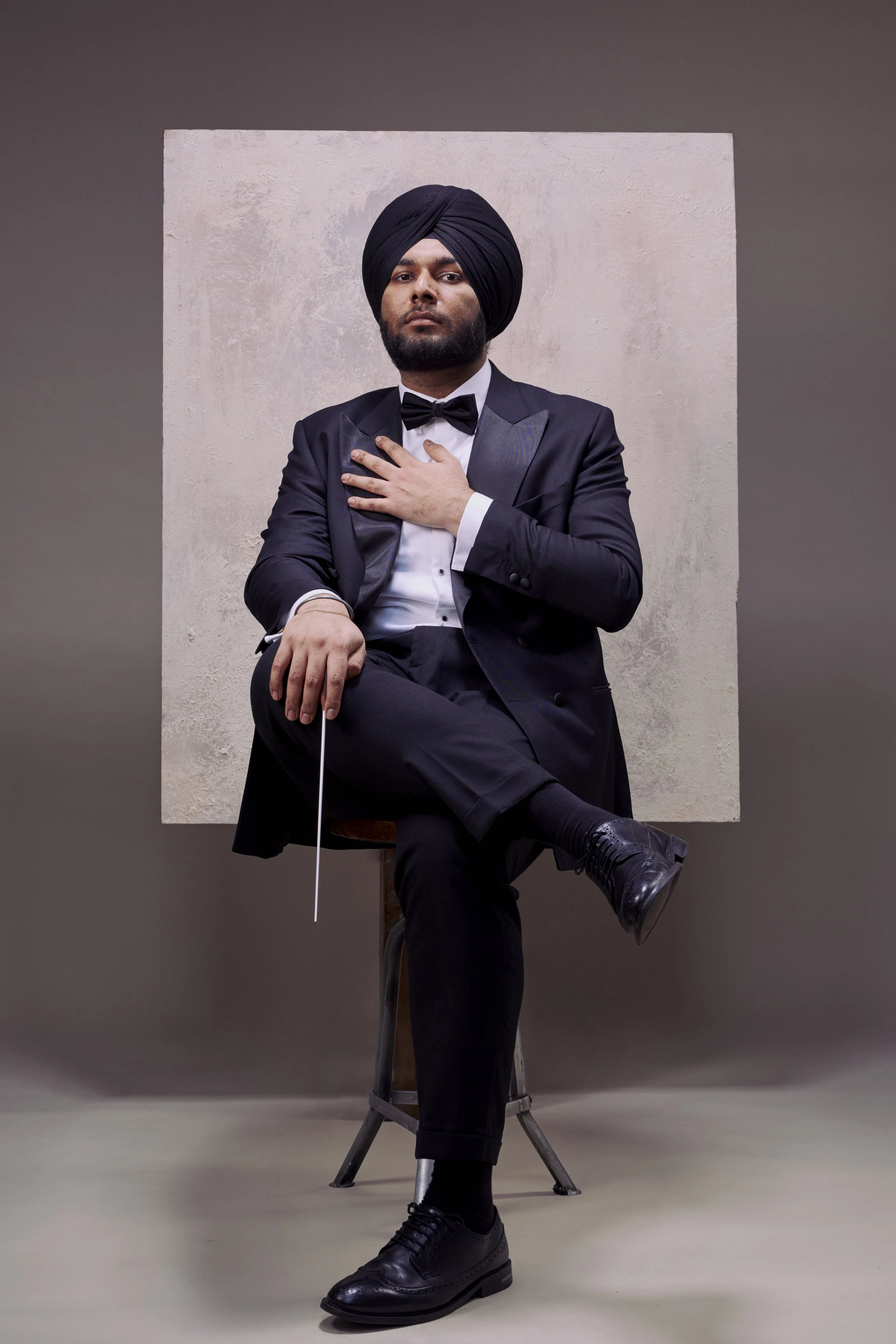
‘People stopped to listen even when I was shit’, Reehal jokes. ‘The first few times I played at the station, it sounded pretty horrible.’ Reehal would sit at the upright piano most evenings, practicing for hours on end. Tall, with high cheekbones, a full beard and sporting a turban, he stood out, and he knew it: ‘it was important for me to be “out there”. I needed people to know I exist.’ Commitment paid off, and soon he was heading to national TV.
‘I needed people to know I exist.’
The Piano is a reality TV show where amateur pianists battle it out on the keys. The tournament takes place in stations across London. This being familiar territory for Reehal, he was ready for the show ahead of his appearance in the 2025 series. ‘Playing in public every evening meant that even though I was just practicing, I was still performing’, said Reehal. ‘If I made a mistake, I didn’t stop or go back, I committed to running through [a piece] from top to bottom. It meant I learnt much faster.’
He approaches the limelight with an enviable confidence, and plays his feature on Channel 4 very cool: ‘it was a good experience. People were supportive and I’m still in touch with a lot of the other pianists.’
An unusual upbringing shaped this self-assurance. Born in Punjab, North India, Reehal is the youngest of two brothers whose parents saw the arts as the crown jewel of education. ‘They would do things like put us on the roof, take the ladder away and say: “you’re not coming down until you write five lines of poetry!”’
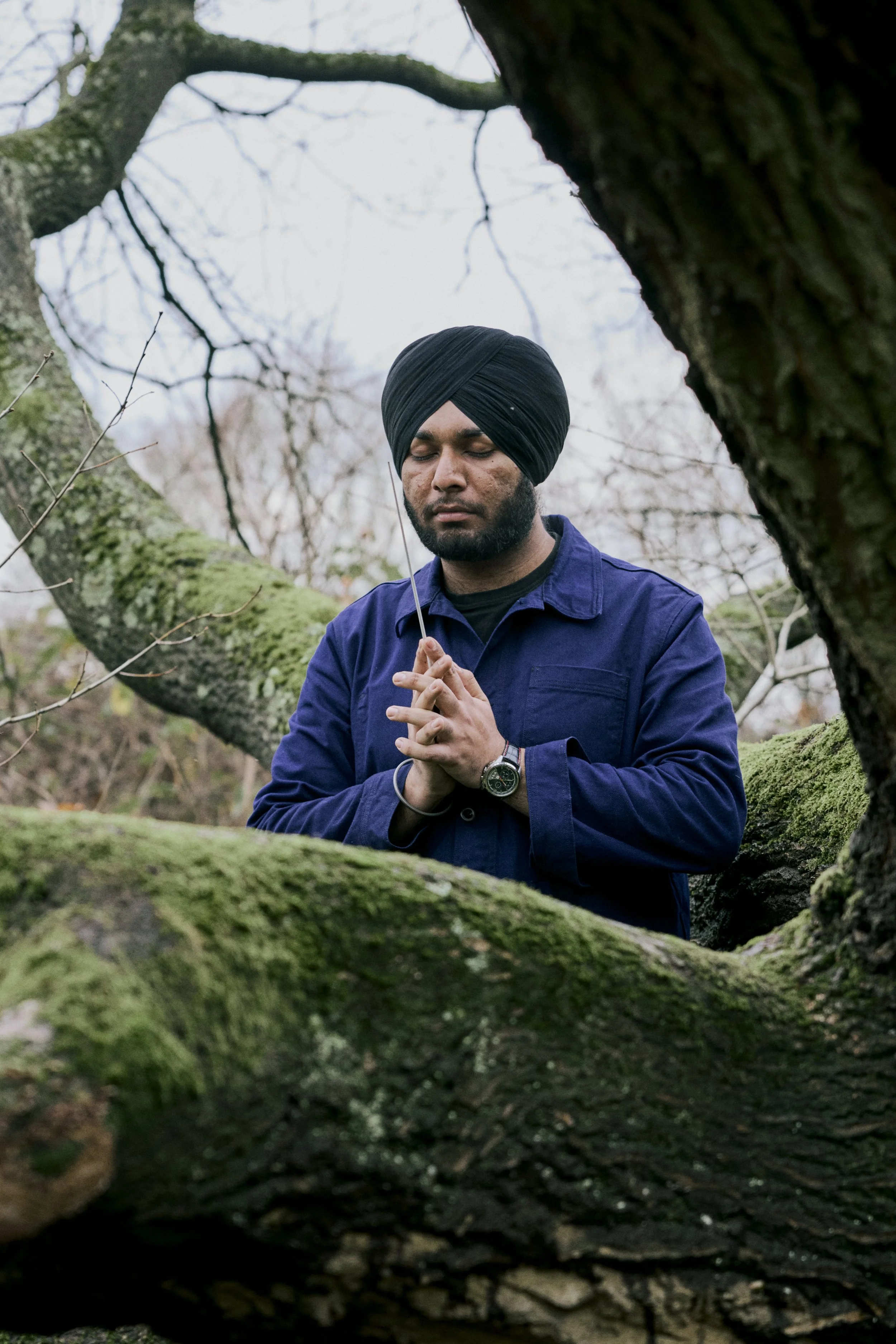
Reehal was pushed to ‘explore and discover’, and aged nine he learnt his first instrument, the guitar. ‘I didn’t get on with having a tutor, after a few lessons I decided to just teach myself’. His parents trusted his judgement. At the end of his school years, feeling prepared for his final exams, he told his mum he didn’t want to constantly study. Instead, they watched movies, he recounts, before dropping the understatement of the century: ‘mine aren’t your normal Indian parents.’
‘I taught myself by listening to what I liked, and then trying to figure out how to play it’
Reehal’s principal ambition is to be one of the great conductors. It’s a direct result of his upbringing: tearing through Bollywood and Hollywood movies with his family, as well as his autodidactic nature. ‘I taught myself by listening to what I liked, and then trying to figure out how to play it,’ he explains. Reehal doesn’t fear imperfection, and embraces improvisation; a subtle but important teaching from his religion, ‘every ragi sings in a very different style. In India, music isn’t traditionally written down.’
Religion is key to his creative inspiration. Like many Punjabis, Reehal is Sikh, and grew up listening to Kirtan Shabad, devotional hymns sung by ragis, who perform only in the presence of the holy book, the Guru Granth Sahib. Unlike hymns or gospel, worshippers don’t participate in the music, there’s no clapping and singing. ‘It trained my ear from a young age, so it’s hard to say exactly how it’s influenced me,’ he shares.
Yet Reehal has never played an Indian instrument — all his training is Western — and when writing music, he doesn’t like to blend the two sounds together. ‘I want what I write to be true to its heritage, but I always carry the lyricism and spiritual purpose of Shabad with me.’
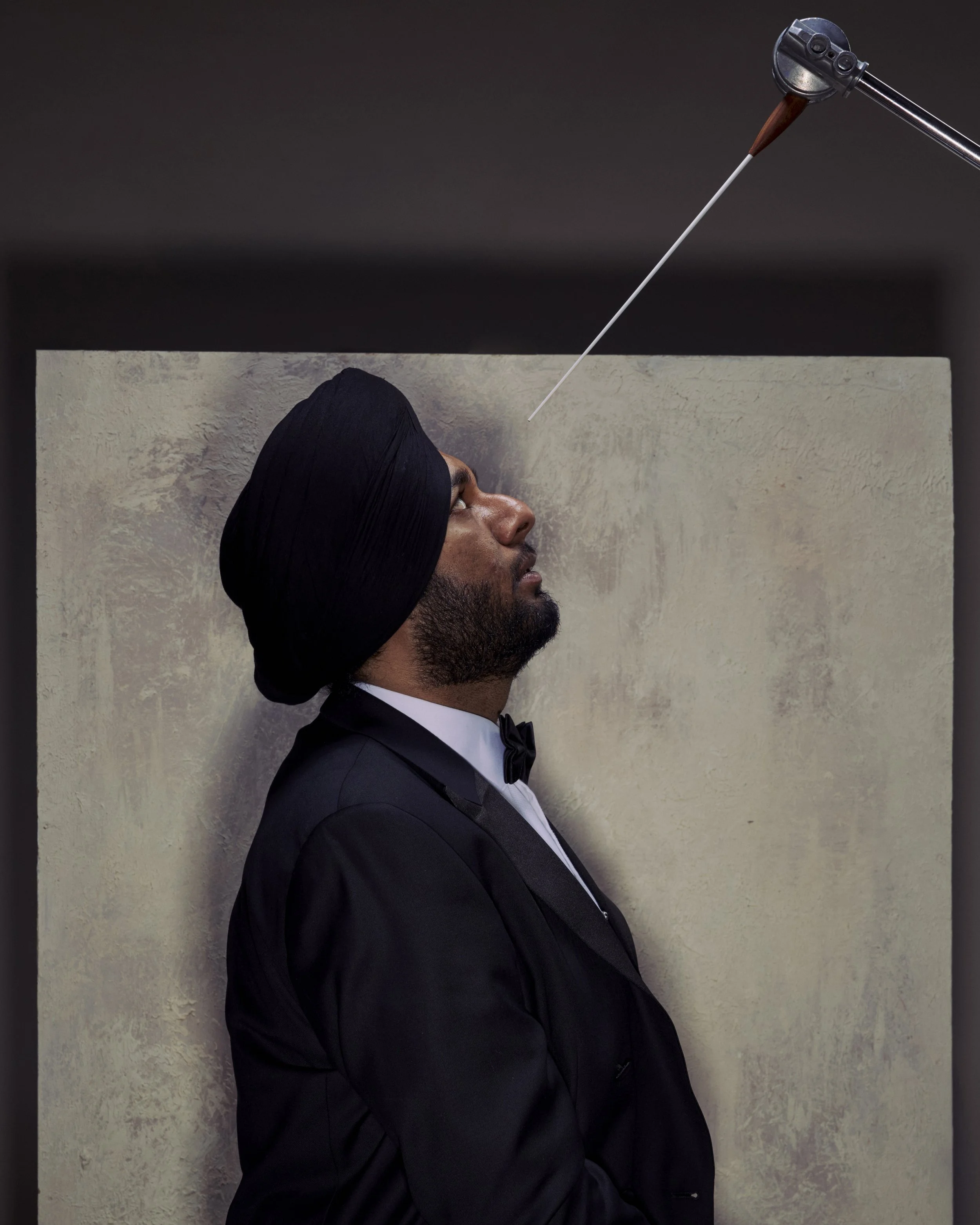
Much as his musical philosophy is grounded in faith, the practical steps he’s taking in this difficult career reveal clear, strategic thinking. At 18, he got a scholarship to study in America, but the fees were still extortionate, so he moved to London instead. ‘I wanted to study at the Royal College of Music, but I knew I wasn’t good enough to get in yet.’ Instead, he attended the Institute of Contemporary Music Performance in Kilburn.
‘I want what I write to be true to its heritage, but I always carry the lyricism and spiritual purpose of Shabad with me.’
He’s not one to rest on his laurels. Four years later he’s breaking new ground, making his conducting debut with the London Concert Sinfonia. This is a first for Britain: never before has a Sikh led an orchestra in the UK. It’s one of the few times in his life that Reehal seems to have felt pressure: ‘I thought that if it didn’t go well, I’d be giving everyone who’s an outsider a bad name’, he confesses, going on to admit that he’s received his fair share of racism since moving to London. But soon he reverts to his trademark self-assurance, ‘I told myself that whatever happens it’ll be fine.’
It takes time and money to build a career in conducting. ‘You have to struggle for 10, 20, maybe 30 years’, industry insiders told Reehal. But since he’s on a graduate visa, he’s had to set himself hard deadlines: ‘I want to do the struggle - but I don’t have time for it.’
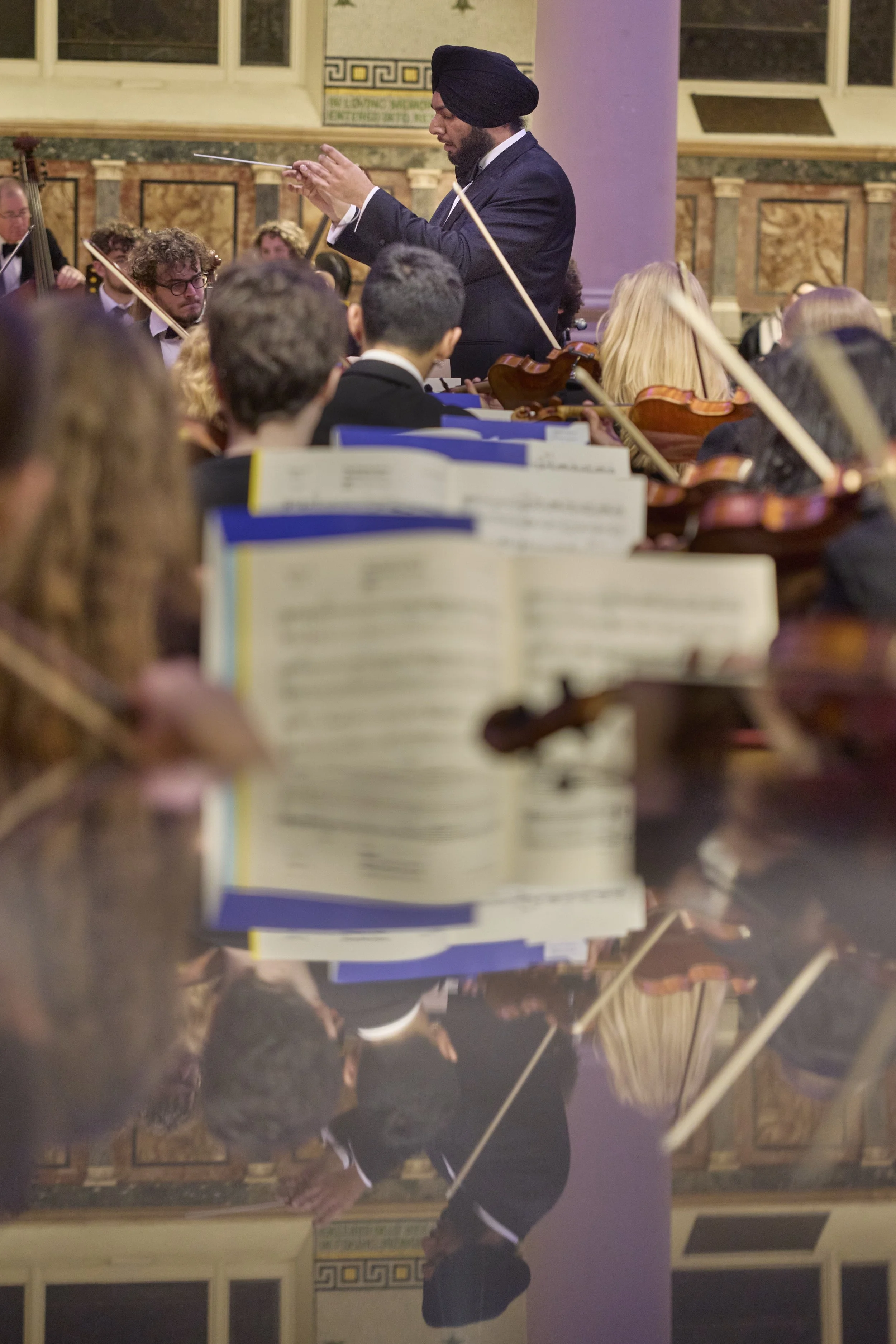
Still, Reehal never shies away from throwing himself in the deep end. A few months ago, he decided to bring together a few people to perform a ‘basic repertoire’ so he could record himself conducting, and submit that as part of an application for post-graduate study. ‘I never wanted to build an orchestra - I didn’t even know enough musicians’, he laughs, and yet he’s now founded the Holland Park Sinfonia, an orchestra composed of over 70 of London’s best young classical musicians.
‘I thought that if it didn’t go well, I’d be giving everyone who’s an outsider a bad name.’
Their first performance was on Valentine’s Day, in a concert featuring pieces from old Hollywood romances such as Casablanca and The Private Lives of Elizabeth and Essex. Reehal chatted to the audience before each piece began, explaining his curation. At the end, he made each section of the orchestra stand for their own applause, and the audience flocked to congratulate him after his final bow.
But the sinfonia is more than a labour of love, it’s part of the fight for his future. ‘I have to stay here — if I go back I’ll be starting from scratch,’ he says. ‘To get my visa renewed I have to do risky stuff.’ But much as Reehal sees the visa as his push to be different, the reality is, he was born with it.
Photographs courtesy of Ravi Chandarana