
Can you Eat the Rich? Notes on Regurgitating Marie Antoinette
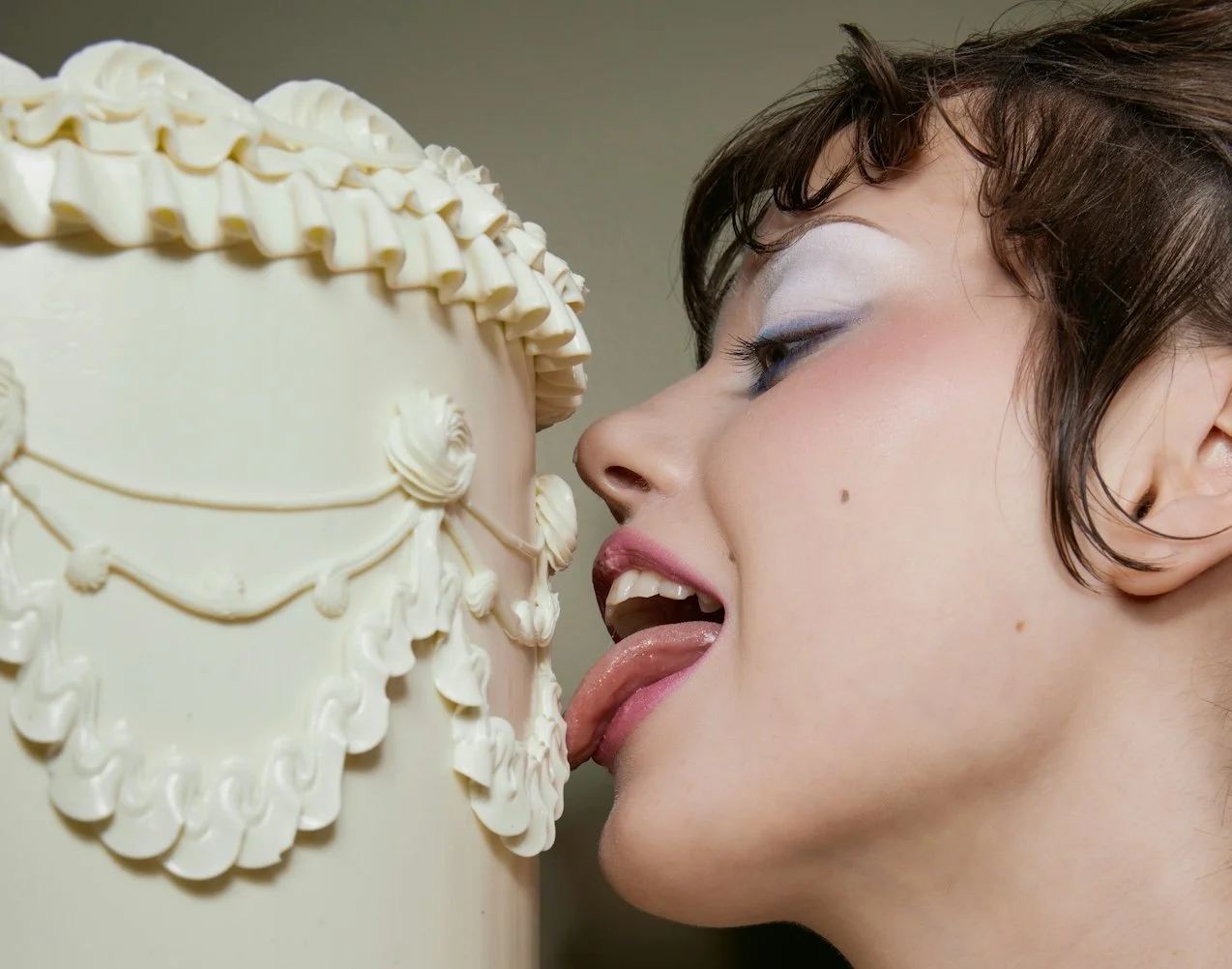
Us peasants are wont to fruitlessly squeak ‘Eat the Rich!’ with no visible results, but there’s one ultra-prosperous princess we have succeeded in devouring. Several centuries of feasting on this illustrious corpse has civilised us – we’ve even put down the pitchfork of late, and now prefer to skewer our delicious elite on a tiny silver dessert fork.
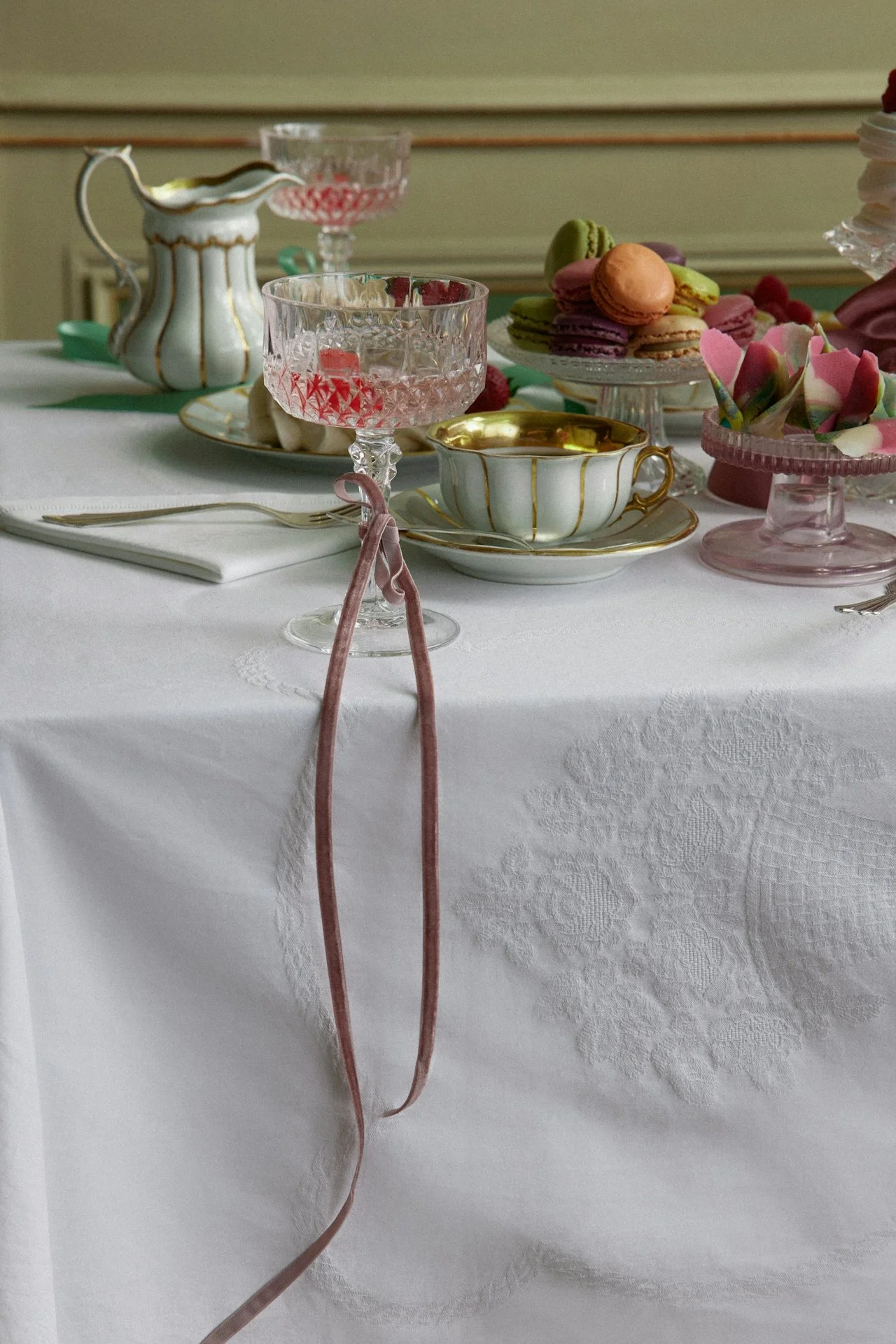
The rich person in question may be long dead and buried, may be dismembered and rotted to ashes, but chances are you’re consuming them anyway. Yum! After all, I’m sure you’ve had a macaron?
We now prefer to skewer our delicious elite on a tiny silver dessert fork.
Ladurée, the frou frou Parisian macaron-maker reportedly sells over 30 million of their sweet merengue confections a year. The macaron, of course, is the calling card of France’s late great monarch: Marie Antoinette. It’s not her only one.
Like a special edition Barbie, she comes with accessories: silk gowns coloured like sugared almonds, towering wigs, itty bitty high-heels with poofy bow on toe, and overflowing champagne coupés (supposedly modelled on her breast... although of course they weren’t).
If attendance to the V&A’s blockbuster exhibition is anything to go by, Marie Antoinette fascinates us not for her political stances—can you name the finance minister she sacked?—but as a visual dessert. It is thus appropriate that two of the most enduring myths about her involve food. She never said, ‘let them eat cake’, nor was that coupé sculpted from her lady lumps.
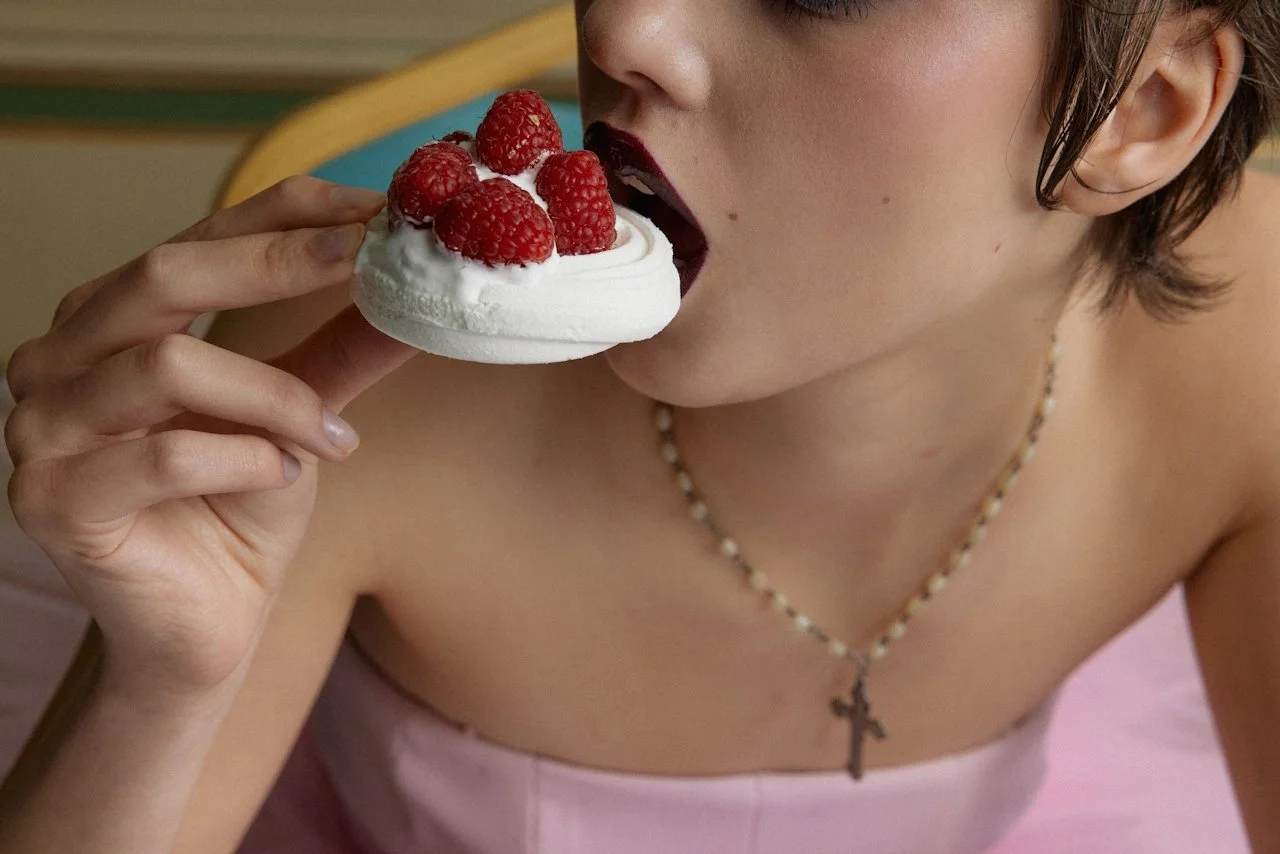
Marie Antoinette fascinates us not for her political stances but as a visual dessert.
No matter, because Ladurée, with its 18th-century gold wreath logo, trades freely on the association. In collaboration with the V&A, the house released a Marie Antoinette macaron collection with her portrait inside. She’s represented by the flavour of ‘black teas with rose petals, citrus and honey’. The queen loved roses (she planted thousands at the Petit Trianon), while the citrus may be a nod to the Versailles Orangerie, where fragile fruit trees were kept alive by teams of gardeners and elaborate heating systems, each plant a living status symbol. And as for the honey… it’s sweet.
This is not the only distillation of Marie Antoinette’s trademark Rococo extravagance into an edible moment. In 2025, the Hôtel de Crillon, served a special afternoon tea themed after the ill-fated pin-up, and framed it as ‘stepping into the queen’s world’. Conceived by pastry chef Matthieu Carlin, it consisted of a ‘reinterpretation of the queen’s reputedly refined tastes.’ Floral patisseries were served on Faïencerie de Gien’s Marie Antoinette porcelain in the hotel’s Jardin d’Hiver, making the whole thing a mixture of history and fantasy re-enactment.
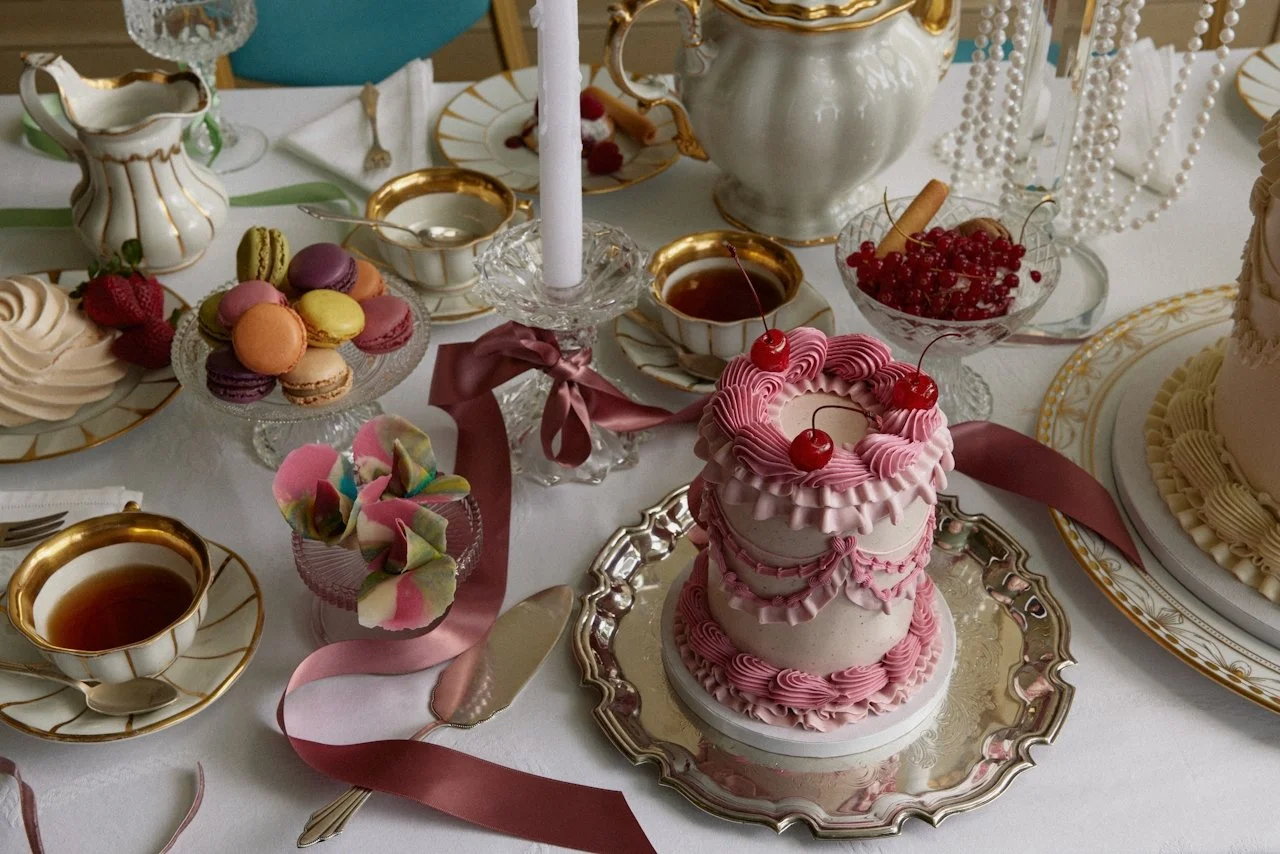
But if this posthumous pig-out makes you feel sick, don’t worry – it is. The Hôtel de Crillon is located a short walk from where poor Marie was guillotined. Thickly frosted raspberry-flavoured confectionary just steps from where a murdered woman’s blood congealed... the height of sophistication, non?
Marie Antoinette has now become an icon of guilt-free excess.
Perhaps I’m overly sensitive... there’s no need to make such a meal of it! But a strange inversion has taken place: accused of courtly corruption and nicknamed Madame Déficit, Marie Antoinette has now become an icon of guilt-free excess.
The unpalatable truth is that we like to play at ‘queen for a day’. Given the chance, every macaron-muncher would love to sit on a pouffe in a ruffled ballgown and get called ‘Your Highness’. And mainlining power and luxury like that would make most of us say far nastier things than ‘let them eat cake’. Through her image, we cosplay a romantic world of refinement none of us are really well mannered enough to be part of.
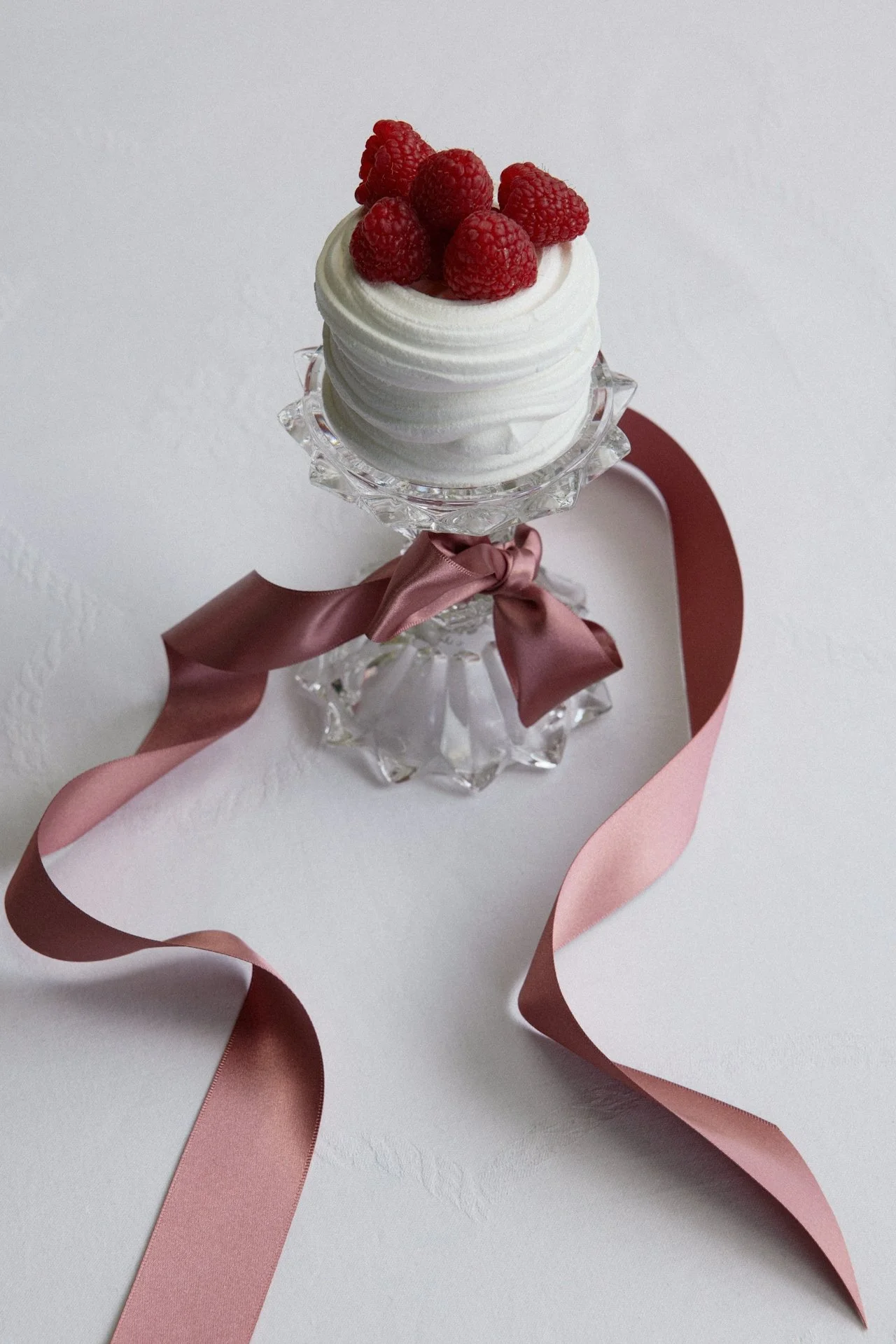
And since we have no riches, we must have our ‘little pleasures’. Nay, we ‘deserve’ them! Just one more pair of shoes, another lick of marzipan, more triple-sprinkled, everything-coloured amped up pimped out sugar something-or-other... and our life is closer to Marie Antoinette’s. We eat the rich so we can be more like them. We’ve forgotten the particulars of revolutionary politics and the legions of peasants slaving away behind her lifestyle and ours; for all our bellowing about the evils of Capitalism, we glut like there’s no tomorrow. Therein lies the paradox of human nature: what made us kill her also makes us want to be her. Hypocrisy has no sell-by-date.
What made us kill her also makes us want to be her.
Still, it is perhaps merciful that this misguided gal – whom we’ll never understand no matter how much Sofia Coppola’s film pretends to – is remembered not as a symbol of the Ancien régime’s wickedness, but as anthropomorphised elegance. In this, she might have gotten a different kind of happily ever after.