
That’s Not Fruit! The Modern Chefs Serving Up Food History
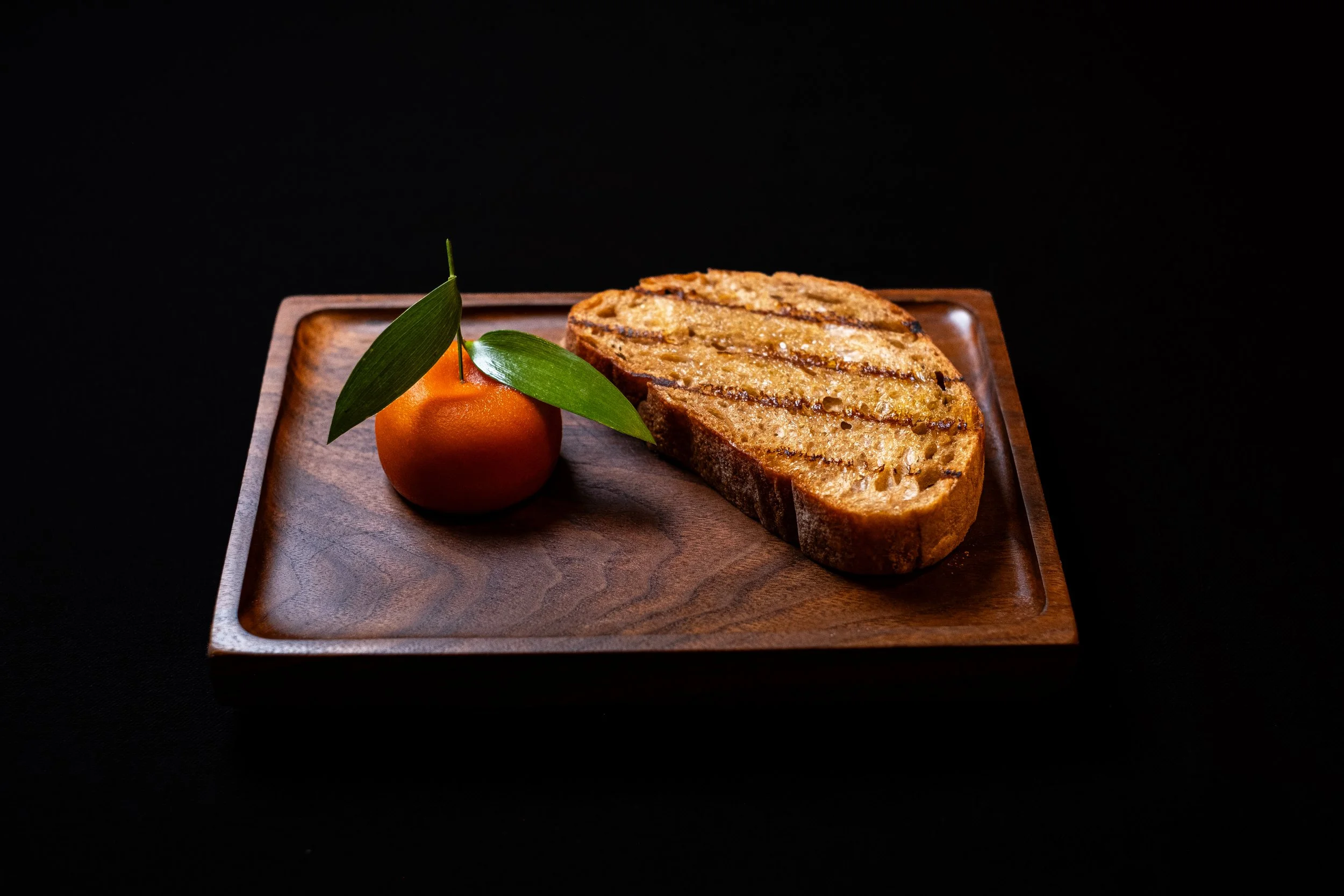
Heston Blumenthal’s ‘Meat Fruit’
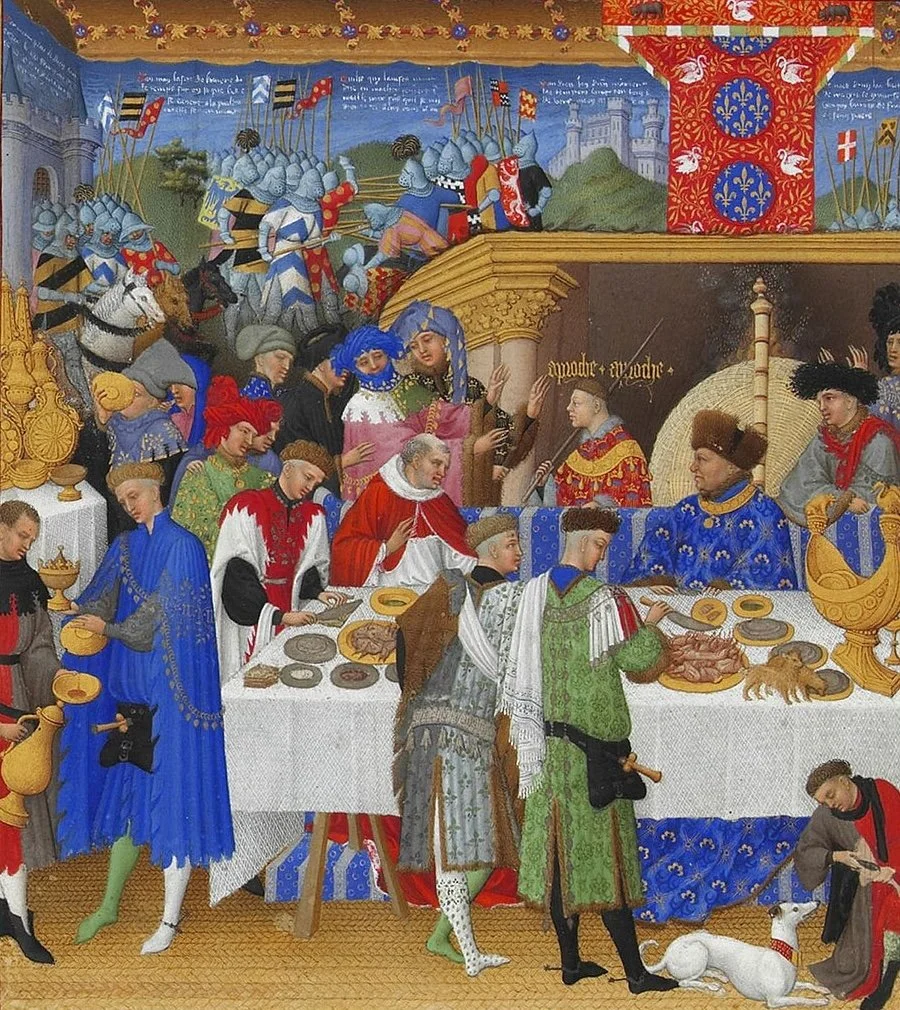
A 15th-century illustration of a New Year’s feast. Public domain via Wikimedia Commons
How much do you love optical illusions? Would you be delighted to discover the apple on your plate is not actually a fruit, but a big meatball flavoured with currants and spices, coated in a batter dyed yellow with saffron and layers of gold leaf? Platters of these glittering ‘Pome Dorres’ (‘apples of gold’) graced the 1399 coronation banquet of King Henry IV, adorned with leaves and branches to complete the illusion.
‘I assumed that modern cuisine was more sophisticated and creative than cooking in the past. I couldn’t have been more wrong.’
Centuries later, you can taste something similar at Heston Blumenthal’s Michelin-starred restaurants, where what appears to be a mandarin orange is actually ‘Meat Fruit’, a delicate chicken liver parfait encased in mandarin jelly. ‘I assumed that modern cuisine was more sophisticated and creative than cooking in the past. I couldn’t have been more wrong,’ Blumenthal shares.
The 15th-century cookbook Le Viandier, which features recipes for a fish with flames in its mouth and a roast pig that appears to sing, kicked off his fascination with historical cuisine. ‘I immediately felt connected to, and captivated by, its playfulness and inventiveness,’ he says.
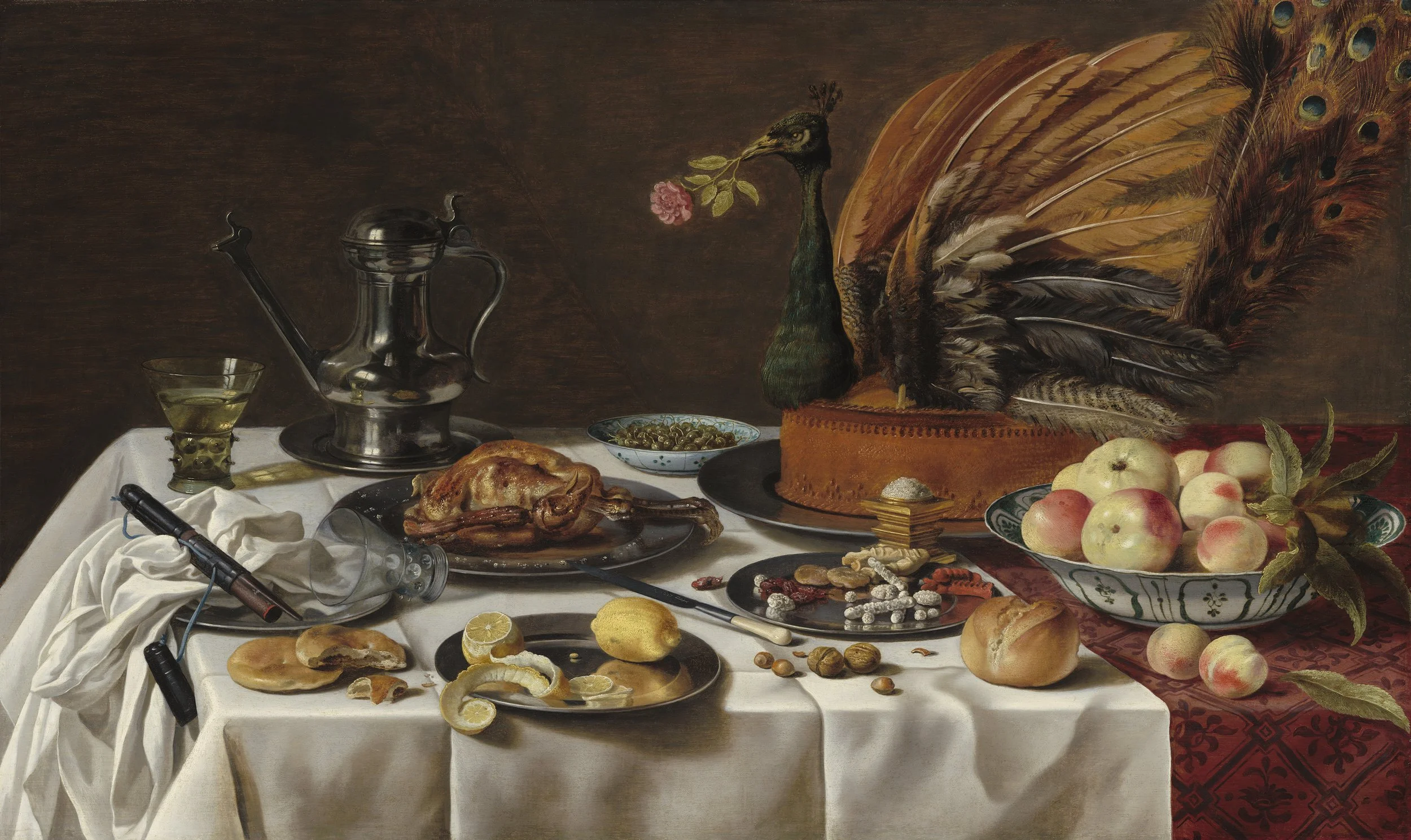
Pieter Claesz, Still Life with a Peacock Pie. Public domain via Wikimedia Commons and National Gallery of Art, Washington DC
Recreating old recipes isn’t as simple as following the instructions.
Blumenthal isn’t the only person inspired by these culinary techniques—from YouTube cooking channels to the finest of fine dining, historical ways of cooking are finding a surprisingly enthusiastic modern audience. Would you have expected Tasting History, a YouTube channel that recreates dishes from Babylonian lamb stew to the cocktails served on the Titanic, to boast upwards of four million subscribers?
But recreating old recipes isn’t as simple as following the instructions. In medieval cookbooks, ‘you literally get, at best, a list of ingredients,’ says food historian and author Sam Bilton. A 15th-century recipe might tell you to take meat and ‘roast it, but not too much’, a cavalier approach to technique and timing that Bilton notes persisted until around the 18th century. And while we have detailed descriptions of extravagant royal banquets—a feast held by Richard II featured 140 pigs, 1,200 pigeons, and 11,000 eggs —we have far fewer written records of what the poor ate.
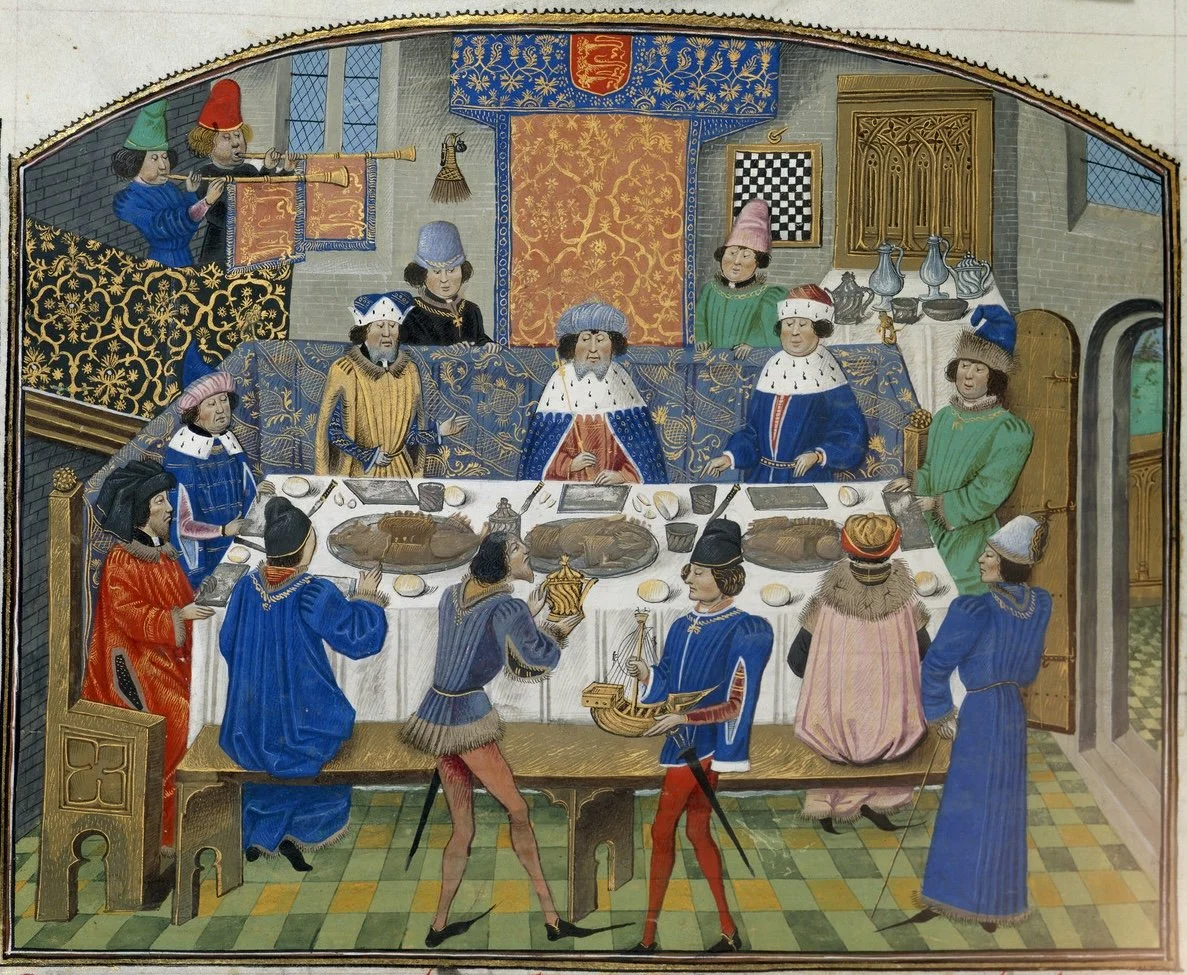
Richard II feasting with his dukes. CC0 via Wikimedia Commons
In fact, medieval food was flamboyantly seasoned
All this has contributed to absurd misconceptions, like the idea that medieval chefs used spices to cover up the flavour of rotting meat, or that the British, as Bilton puts it, ‘all ate turnips and boring old porridge and stews’. In fact, medieval food was flamboyantly seasoned: rare spices like long pepper (a pungent, fragrant relative of black pepper) flavoured aristocratic menus, while saffron and powdered sandalwood dyed dishes yellow and red. Spices were so valuable that in medieval Nuremberg, you could be burned alive for adulterating saffron with ingredients like marigold petals, while the age of colonialism began with voyages attempting to find new trade routes for spices. One popular 14th century sauce combines galangal, ginger, and cinnamon, perked up with vinegar and thickened with breadcrumbs—nothing like our modern stereotype of British flavours.
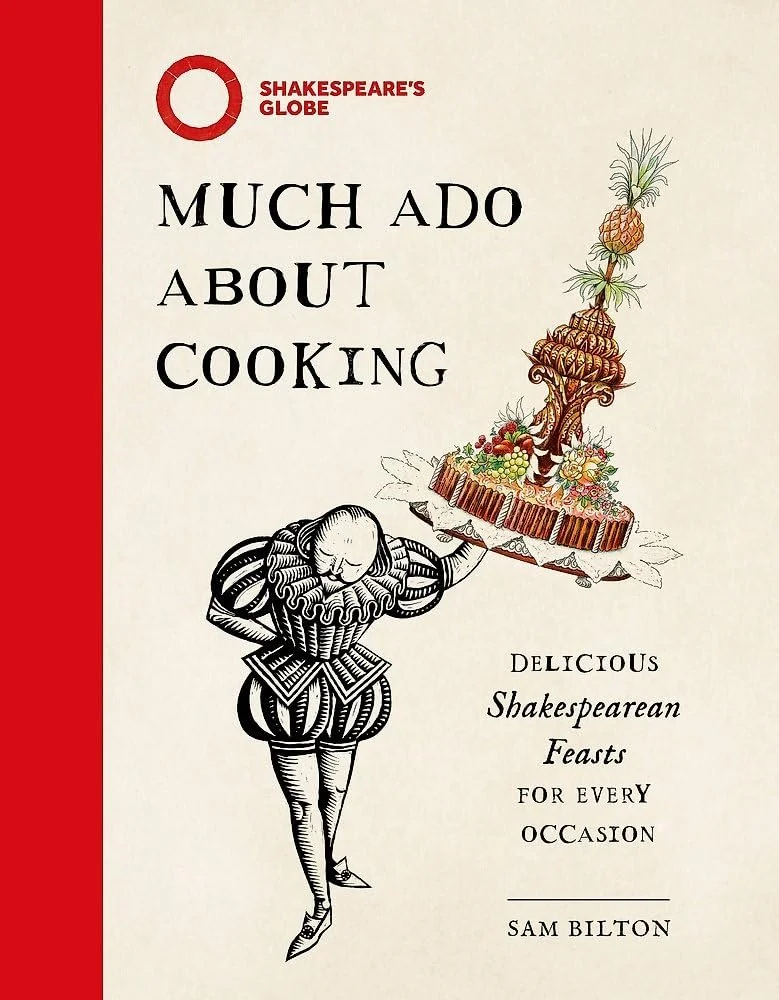
Sam Bilton’s Much Ado About Cooking
Bilton completed her MA in culinary arts after starting a family, because there were no institutions offering food history courses when she first went to university. Now, she’s collaborated with Shakespeare’s Globe on the Elizabethan-themed cookbook Much Ado About Cooking, while an episode of her food-history podcast Comfortably Hungry won a Fortnum & Mason Food and Drink Award in 2025. ‘Yesterday’s dinner is tomorrow’s history,’ she says. She hopes this discipline will become increasingly recognised in higher education: ‘Food history is never going away.’
‘Yesterday’s dinner is tomorrow’s history. Food history is never going away.’
Academic institutions may only just be waking up to this field, but food history has thrived online. Max Miller, whose aforementioned channel Tasting History makes weekly videos recreating historical recipes and explaining the stories behind them, has parlayed its success into a New York Times-bestselling cookbook.

Max Miller. Photograph by Shanna Fisher
‘Learning about history through the lens of food can bring historical figures closer.’
‘The story is most important,’ Miller explains. ‘Learning about history through the lens of food can bring historical figures closer.’ He’ll closely research his topics (for example, the experiences of Napoleon’s army), quoting from primary sources such as soldiers’ diaries, to help viewers understand their way of thinking. Barring time-travel ‘we probably won’t ever experience what it’s like to be a soldier in a massive 19th-century army’, so recreating what they ate brings their shared humanity into sharper focus. It reinforces Bilton’s belief that food can be a way of prompting difficult cultural conversations, such as using the history of curries in Southeast Asia and beyond as a jumping off point to discuss colonialism. ‘That connection can make all the other aspects of the story hit closer to home,’ Miller says.
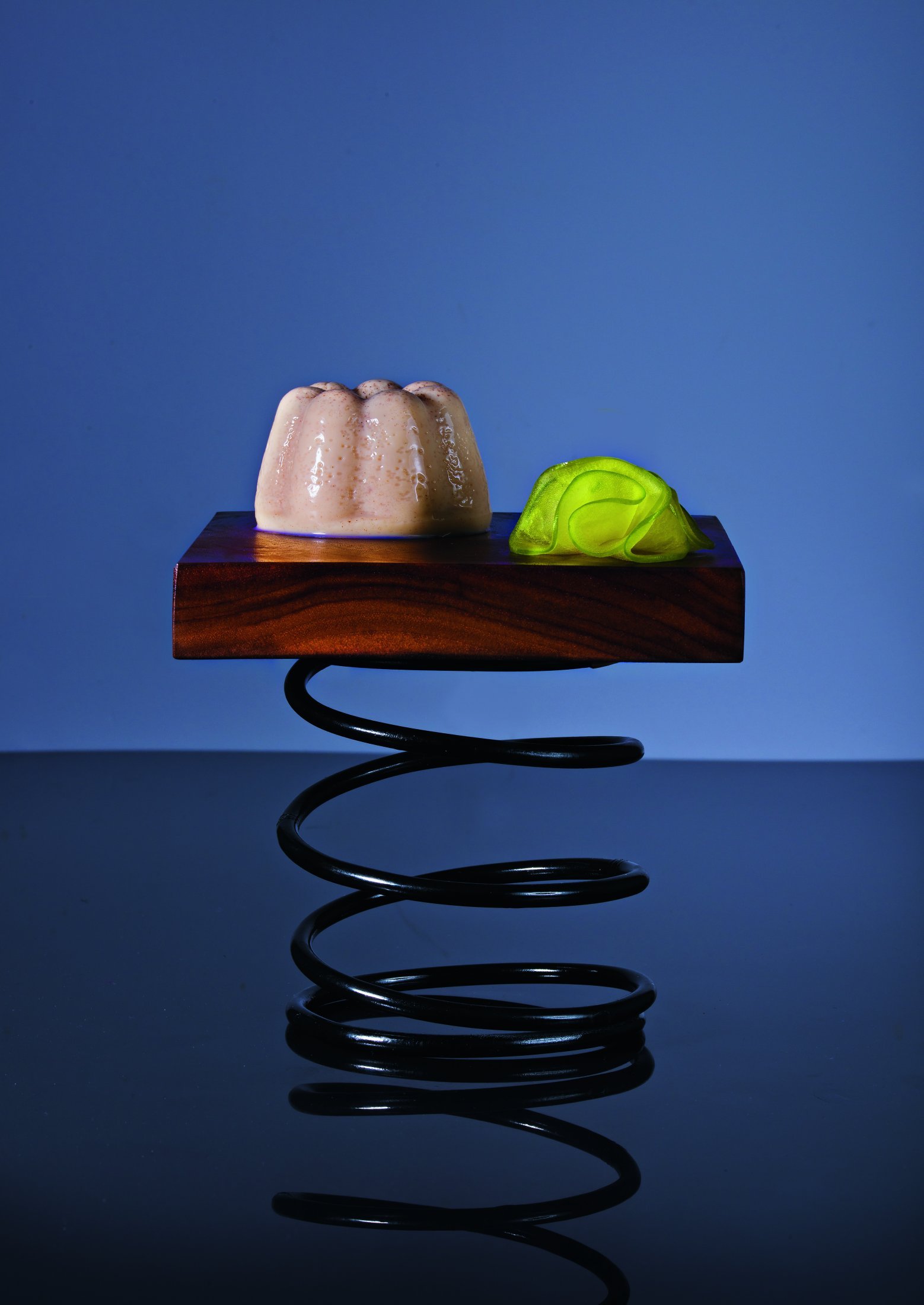
Heston Blumenthal’s ‘Quaking Pudding’
While Miller tries to recreate dishes as accurately as possible, Heston Blumenthal is content to leave that task to food historians. ‘I wanted to take the spirit of the original dish and bring it to a new audience, like a culinary connection across time,’ he says. Amongst his favourite (re)creations are ‘Quaking Pudding’, a Tudor-era dish resembling a spiced panna cotta that required more than 50 test versions before he achieved the right beguiling wobble.
‘I wanted to take the spirit of the original dish and bring it to a new audience, like a culinary connection across time.’
There’s also the Lewis Carroll-inspired ‘Mock Turtle Soup’. It adapts the Victorian veal consommé of the same name, which he freeze-dries into the shape of a pocket watch that dissolves into liquid, a level of theatricality that would make the chef of Le Viandier proud.
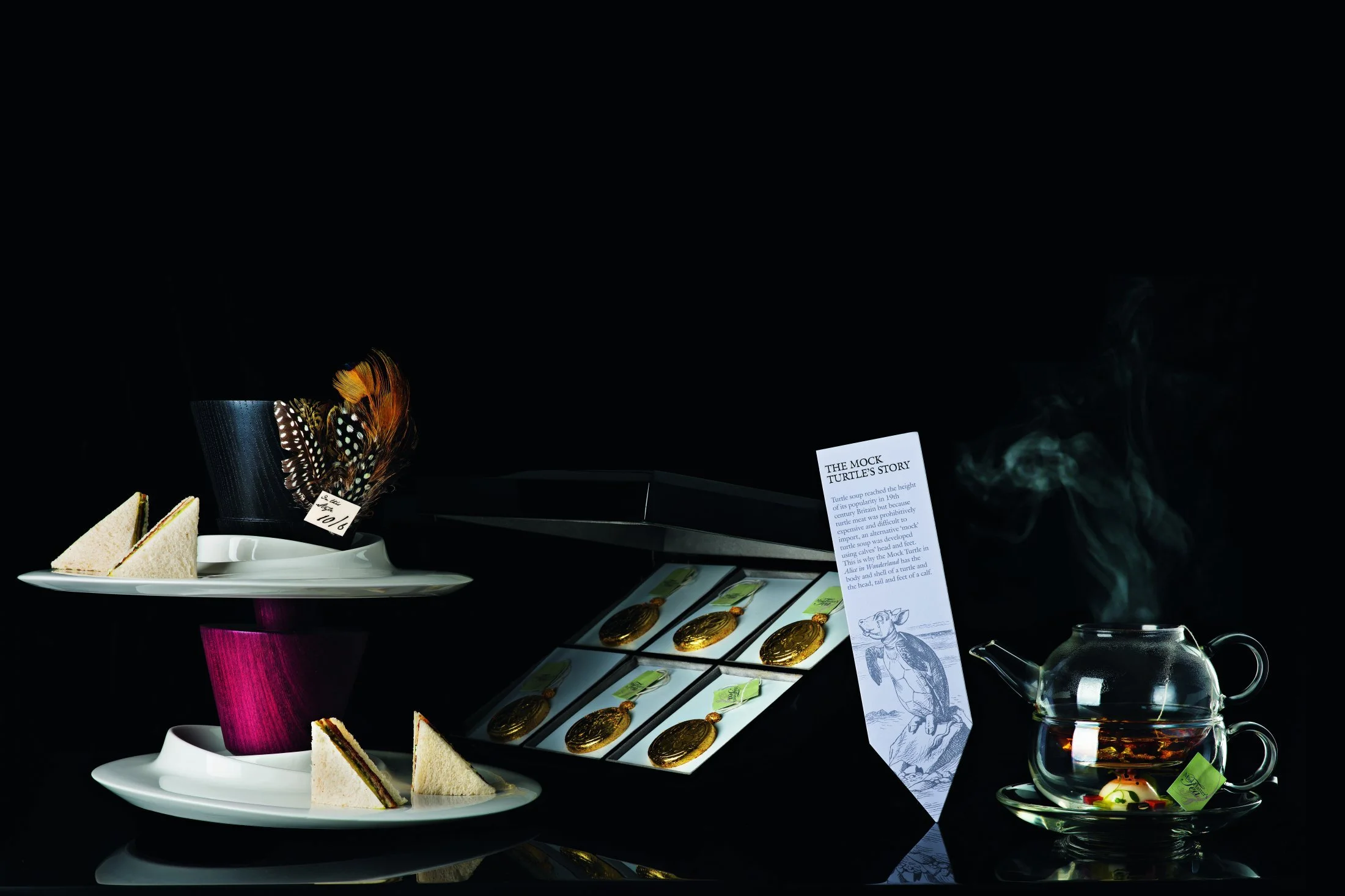
Heston Blumenthal’s ‘Mock Turtle Soup’
‘Diners really enjoy that sense of time travel, continuity and connection with the past.’
Recipes that riff on the past don’t always succeed. Blumenthal recalls experimenting with a stuffed wild board’s head that looked ‘unnervingly Frankensteinian’, while Miller has made dubious dishes like a 1950s ‘Spam loaf’, a candy-striped concoction that layers cream cheese with uncooked Spam, and boiled leather, a nearly inedible substance eaten by mariners on the brink of starvation. However, sometimes the result is remarkable: ‘Meat Fruit’ is amongst the most-posted food images on social media. Having served these dishes in London and Dubai, ‘diners really enjoy that sense of time travel, continuity and connection with the past,’ Blumenthal notes.
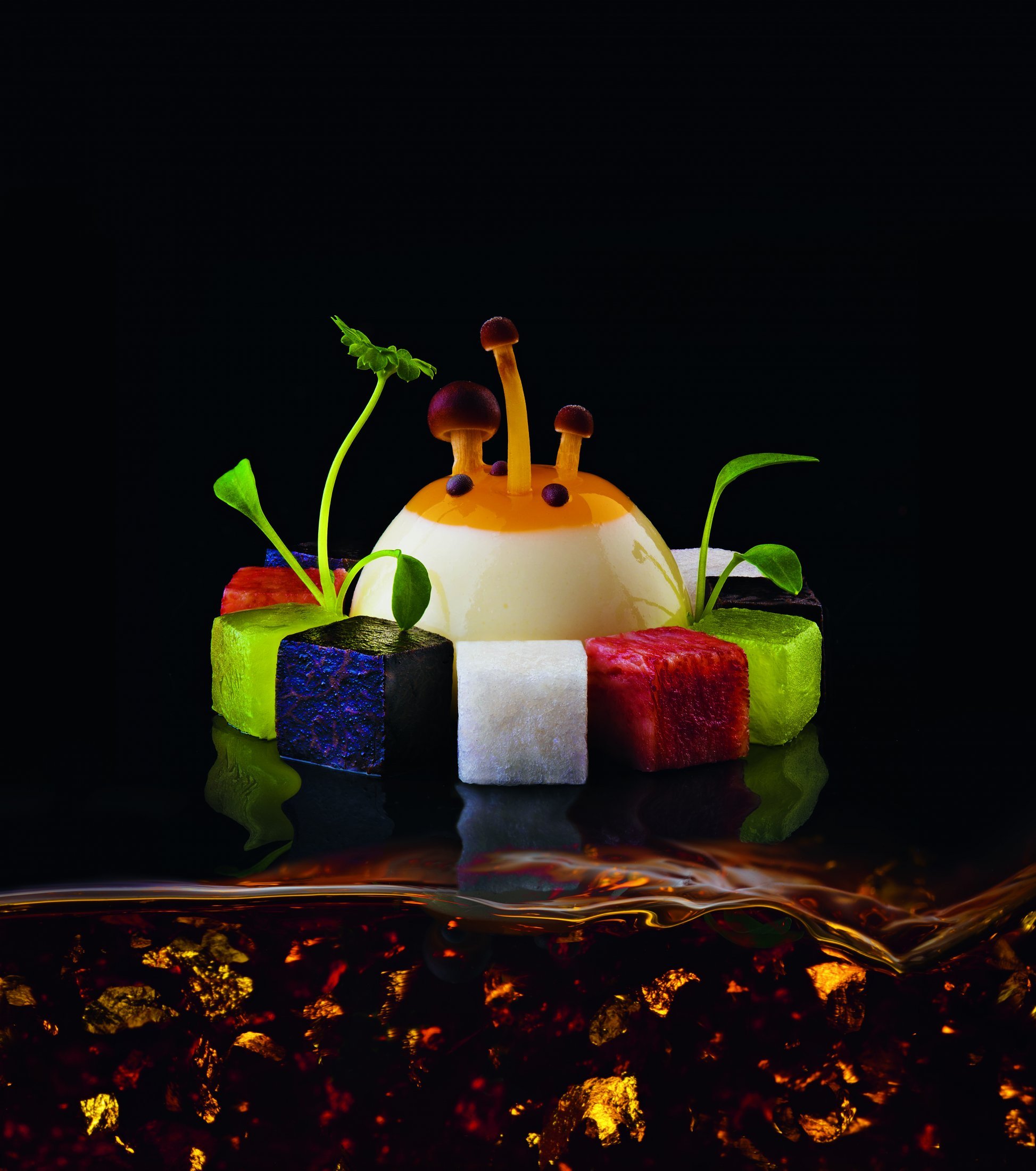
A‘Mock Turtle’ egg from Blumenthal’s dish
Medieval feasting can seem alien to us in the age of Ozempic. Yet Miller believes that understanding culinary habits from previous centuries can help us eat more thoughtfully today. As he points out, food was historically scarcer that it is now in the first world, and it hoovered up almost 50-70% of a person’s income. What you could eat depended on what was seasonally available. ‘Learning that helps you appreciate the access most people have to food nowadays,’ he says.
‘We’ve recently had a food revolution in this country, and we’ve regained our pride in our cuisine. We’re seeing more of our roots and traditions on menus.’
Furthermore, food is a foundation for our identity. Blumenthal was motivated to explore culinary history partly because he was fed up with English cuisine’s bad reputation. But even a cursory glance at old recipes explodes the myth of bland, grey English food, and that heritage is inspiring a generation of new chefs in Blumenthal’s wake.

Gold-flecked ‘Mock Turtle’ broth
‘You’ve just got to try it and see.’
Venerable London restaurant Simpson's in the Strand reopened this year with a menu featuring dishes like Woolton pie, a vegetarian pastry invented during Second World War rationing, while for seven years running the World Chelsea Bun Awards have encouraged bakers to reinvent the eponymous spiced bun, adored by the royal family in the Georgian era. ‘We’ve recently had a food revolution in this country, and we’ve regained our pride in our cuisine,’ says Blumenthal. ‘We’re seeing more of our roots and traditions on menus and that’s going to grow.’
The chefs have worked hard; and it’s our turn. We must surely do our duty by stuffing our faces… even if we’re never quite sure what it is we’re about to take a bite of. As Blumenthal says, ‘You’ve just got to try it and see.’
Images supplied by Heston Blumenthal