
Hosting at Home: Why Your Pad is the Ultimate Party Venue
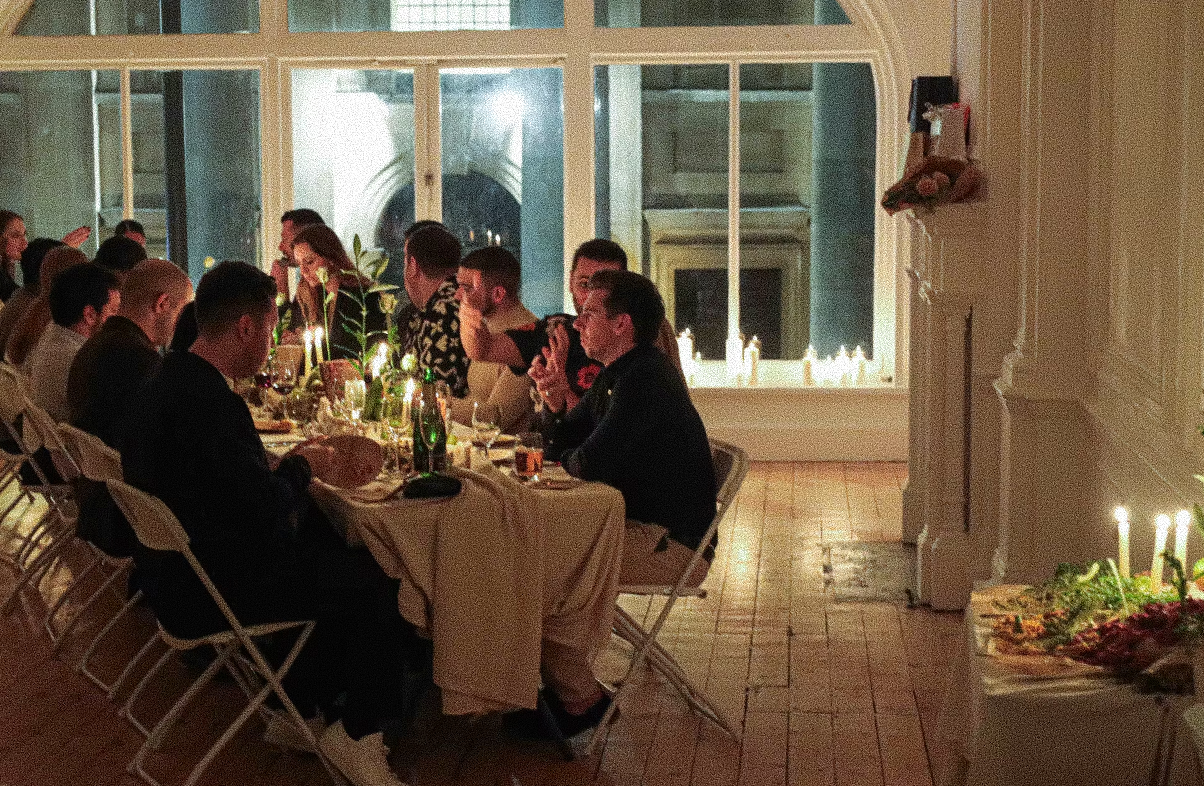
A private 30th birthday dinner inspired by a woodland walk
For the better part of a century, a great meal meant a restaurant. Swanky venues competed to offer finer menus, shinier silverware, more obedient waiters. Amidst increasing financial freedom and the rise of urban life, diners in the 20th century flocked to restaurants where they could eat delicious food, flaunt their wealth and refinement, and perhaps most crucially, be entertained.
But after the pandemic, a competitor to the restaurant has come back to prominence, offering the face-to-face community so much of us crave. Supper clubs promise an experience that’s curated but relaxed, a chance to dine next to strangers in a chef’s home.

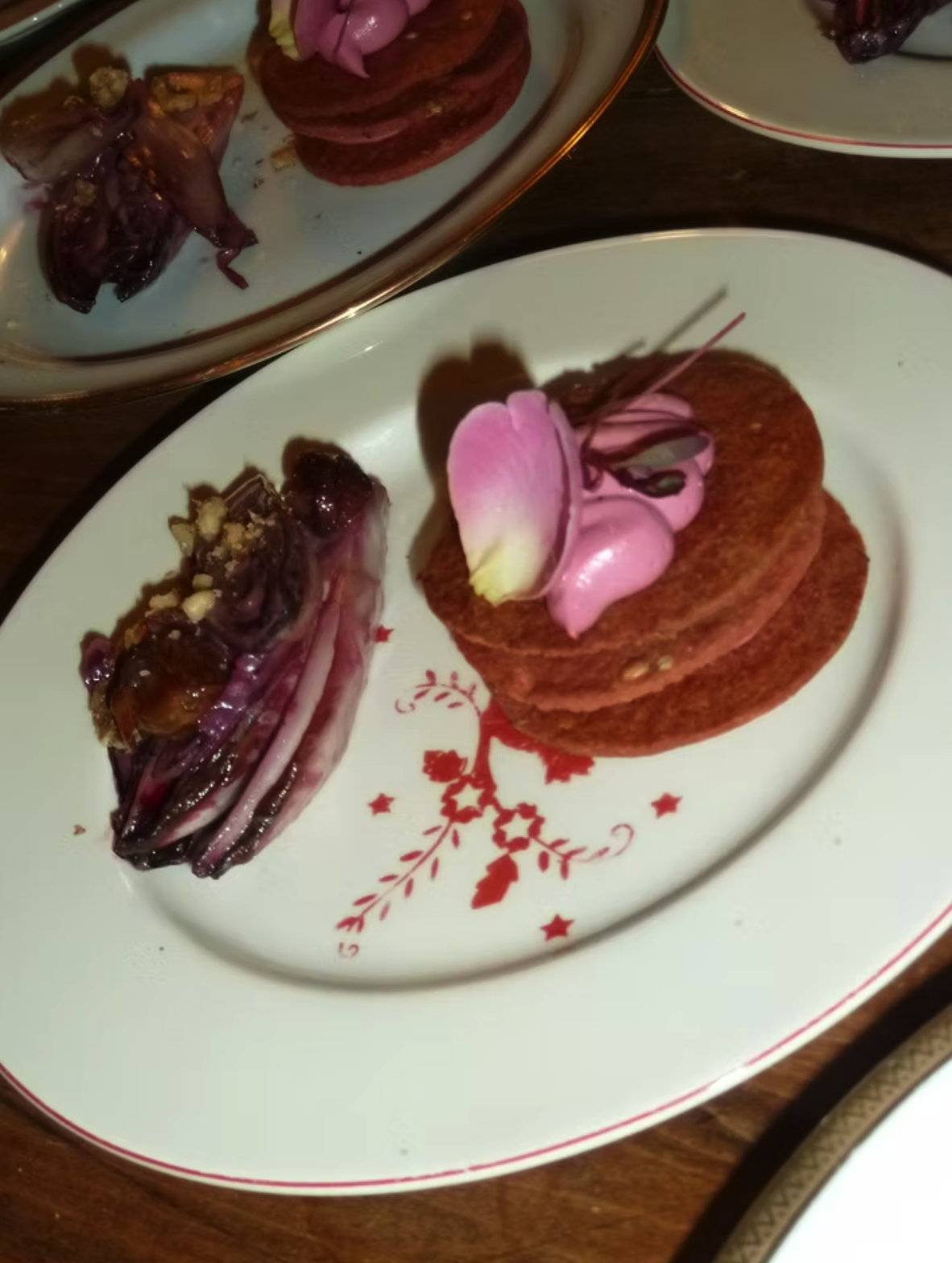
Tiered cake and Babycham sorbet, from a dinner for clothes brand Angie Power
‘A supper club is the whole hospitality package. It's the personality that comes with it, the person behind the food,’ chef Barney Pau says. ‘It offers early-career chefs a chance to actually bring their flavours, their ideas, their personality, into the menu, and give people a bit of insight into themselves.’
‘A supper club is the whole hospitality package. It's the personality that comes with it, the person behind the food.’
‘Third spaces’, locations that aren’t primarily workplaces or homes, have become something of a buzzword in the post-pandemic world. The need for venues that are open, informal, and encourage fun and socialising has become just as important as our desire for experiences that are aesthetic and Instagrammable. That’s what’s brought us a range of supper clubs catering to unique tastes and interests: Motown listeners, comedy, Swedish-Filipino fusion.
As rents for restaurants rise and running costs climb ever higher, there’s an economic appeal for hosts, too. The setting is ready-made, diners will covers food costs, and the events happen outside of normal shifts.
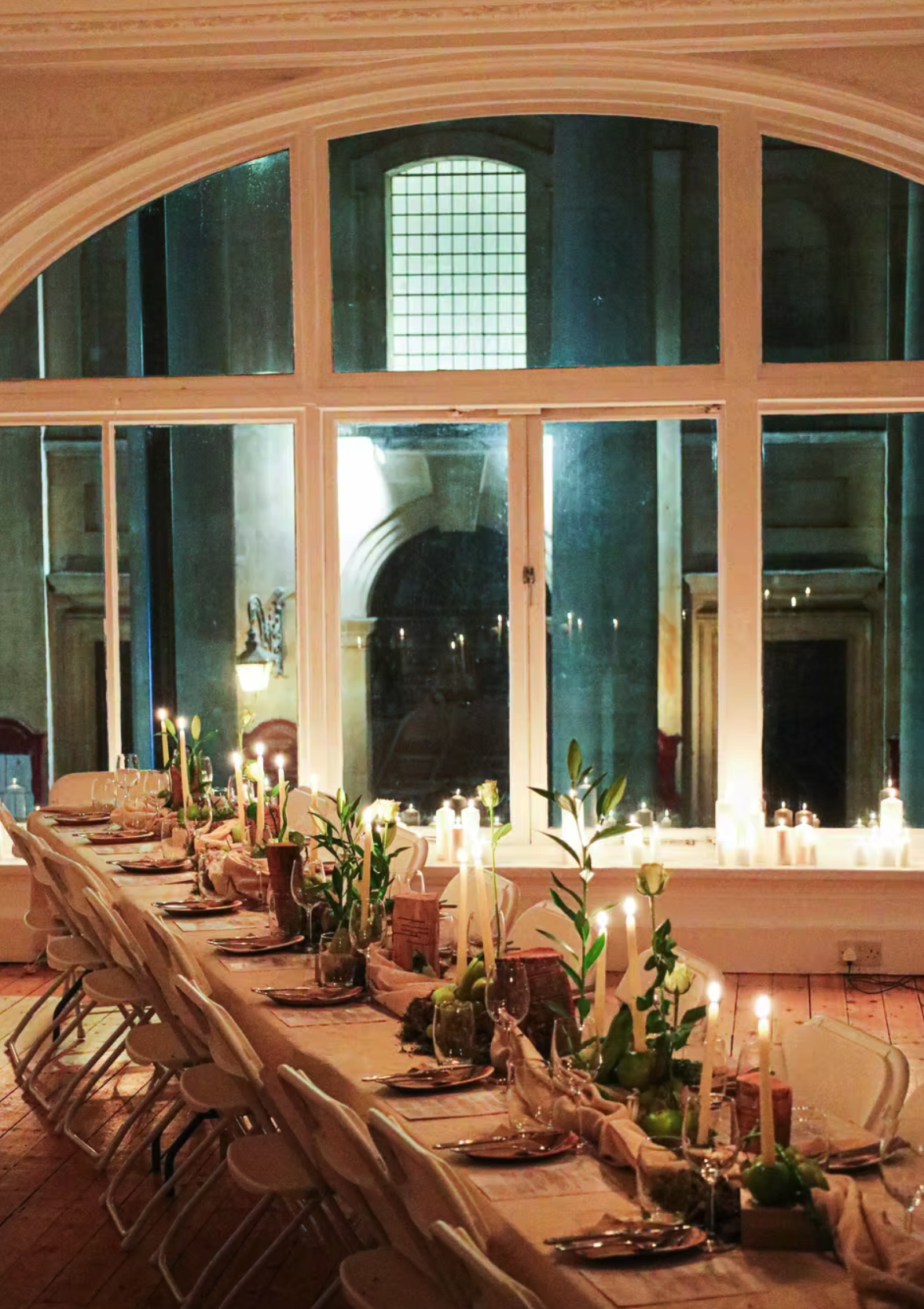
But supper clubs have something more timeless at their heart. There’s nothing quite as personal and curated as stepping into a stranger’s home, sitting in their chairs and leafing through their bookshelves. Part of a supper club’s appeal, and part of what hosts are implicitly asked to sell, is access to someone else’s personality and private life. Similarly to the rise of poetry nights, exhibitions, and gigs hosted in people’s homes, these events transform the supposedly private space of the home into professional ones. Can a lounge still feel cosy if it’s full of people busily networking and plugging their latest projects?
‘The entire point is opening up your home for other people.’
‘If you're going to do a supper club at home, the entire point is opening up your home for other people,’ Pau says. ‘There’s an underlying darkness in that innate, personal aesthetic projection.’
For Pau, these events reveal the tensions between social expectations of what a ‘good home’ looks like and who he himself is. ‘I didn't make pretty curated dishes on stainless steel countertops,’ he says. ‘The reality that actually I'm a little bit garish and messy, and there's lots of stuff going on. That’s something that I want to channel into the food that I create.’

There’s a huge temptation to curate your living space beyond recognition, hoping that your guests will only see the best side of our life. Whether it’s an embarrassing family photo or an old copy of Fifty Shades of Grey, there’s always something in our lives that doesn’t suit a TikTok-friendly public image. However, while it’s easier said than done, Pau warns against doing this. ‘If you're opening up your home to host a supper club, you should see it as a reflection of yourself,’ he says. ‘It doesn’t need to be changed, just opened up.’
‘If you're opening up your home to host a supper club, you should see it as a reflection of yourself.’
If you allow the home to shine, it’s uniquely suited for entertainment and community. It offers an ‘inbuilt’ sense of friendship, according to James Massiah, whose company Adult Entertainment runs poetry readings across London. ‘At our events, people are literally shoulder to shoulder. They get quite busy,’ he adds.
‘To be in the room, to have respect for space and intimacy with the words that are being read, that’s where the magic is,’ Massiah says. ‘People are talking about their bodies and their experiences with and life and childbirth and abortion, it's all there. It's all very real and very physical.’
‘From one community, there are communities that spring off. After our last event, I had about ten afterparties. People went off and did their own thing, and new friendships are made,’ he explains.
‘It's all very real and very physical.’
This organic, self-reinforcing sense of community stands in contrast to how the culture of supper clubs has been transformed by corporations. ‘Some things labelled as communities are so packaged and sold,’ Massiah says, a statement that’s hard to refute when you consider the number of brands that are hosting their own supper clubs, using influencers and expensive PR packages to promote their offerings on social media.
‘When you're talking about high-end concept dinners, I really have a bone to pick,” Pau says. ‘There’s a difference between using food to inspire people and using food to instil awe. There's inspiration in the sense that it's beautiful. What goes into the decor, goes into food, is incredible. But people aren't there for you.’
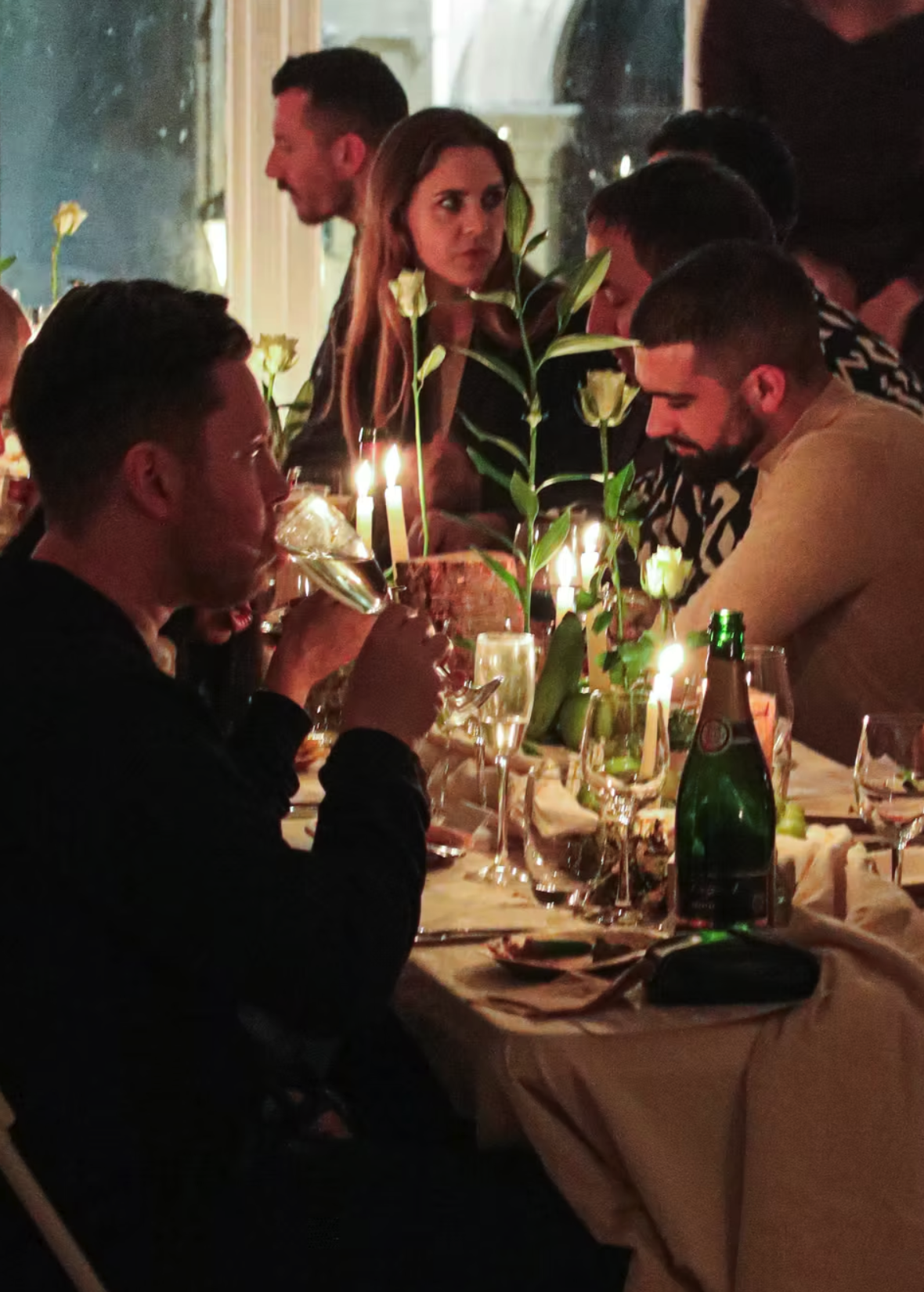
Pau does not charge at all for his personal supper clubs: ‘As soon as money’s involved, it makes it transactional. A lot of food culture today is showing people how incredible you are, creating this eating experience. Take a hundred photos, and they'll post it on social media, and it'll become a viral moment. But there's not really anything there.’
‘As soon as money’s involved, it makes it transactional.’
That’s another challenge inherent in organising supper clubs: how to balance the immaterial value of hosting a free event with the material need for money to set up these evenings. If meals are all about connection, are hosts asking guests to buy a sense of community, and hosts to sell one? The decline of free third spaces such as churches and libraries means that a big city like London can be isolating for anyone who doesn’t have a preexisting friend group or a large enough disposable income. As Massiah points out, many people who attend his events go on to form their own: at their best, supper clubs and other domestic events can inspire friendships untethered to any monthly fee.
The supper club revival is still developing, and hosts are still proceeding with caution to balance privacy and openness, commercialism and community. They’re challenging questions, because they’re ones that all of us have to answer. Even though supper clubs offer respite from the impersonality of digital life, the dilemmas their hosts face are universal to an era defined by social media.
All photographs by Barney Pau