
It Can’t Be Beet: How Feral Reinvents Non-Alcoholic Wine
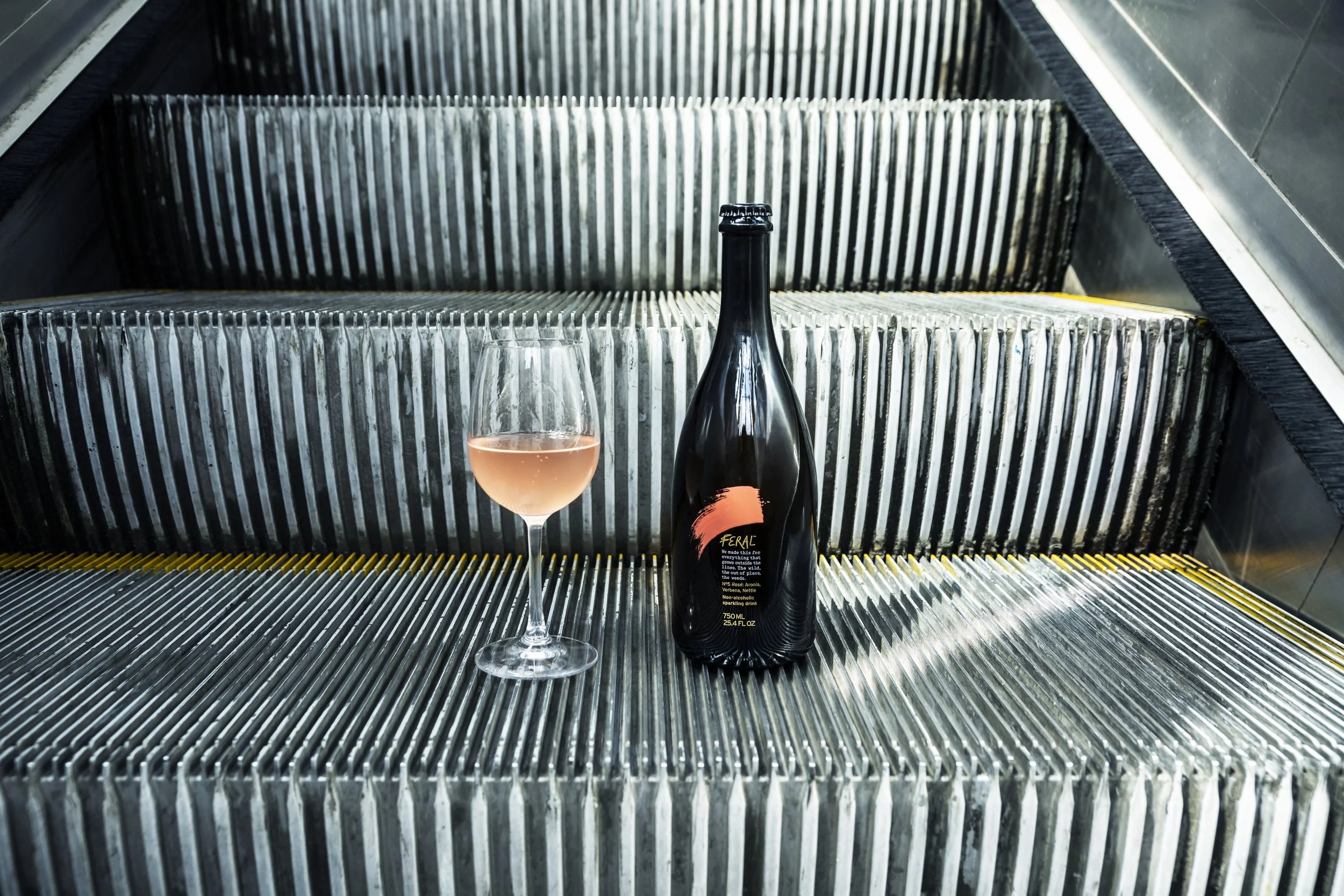
Feral’s N°5, a dry sparkling refreshment made of birch sap
The beet is not the most inspiring vegetable. Lumpy and muddy, rock-hard when raw and apt to stain everything they touch with earthy, bloody juice, the pleasures of Beta vulgaris are, at best, homely ones. But what if you pop this unglamorous root into a juicer, fermenting the liquid with hops for bitterness, Szechuan peppercorns for spice, and a host of other natural flavourings, to lend their fragrance to the mixture?
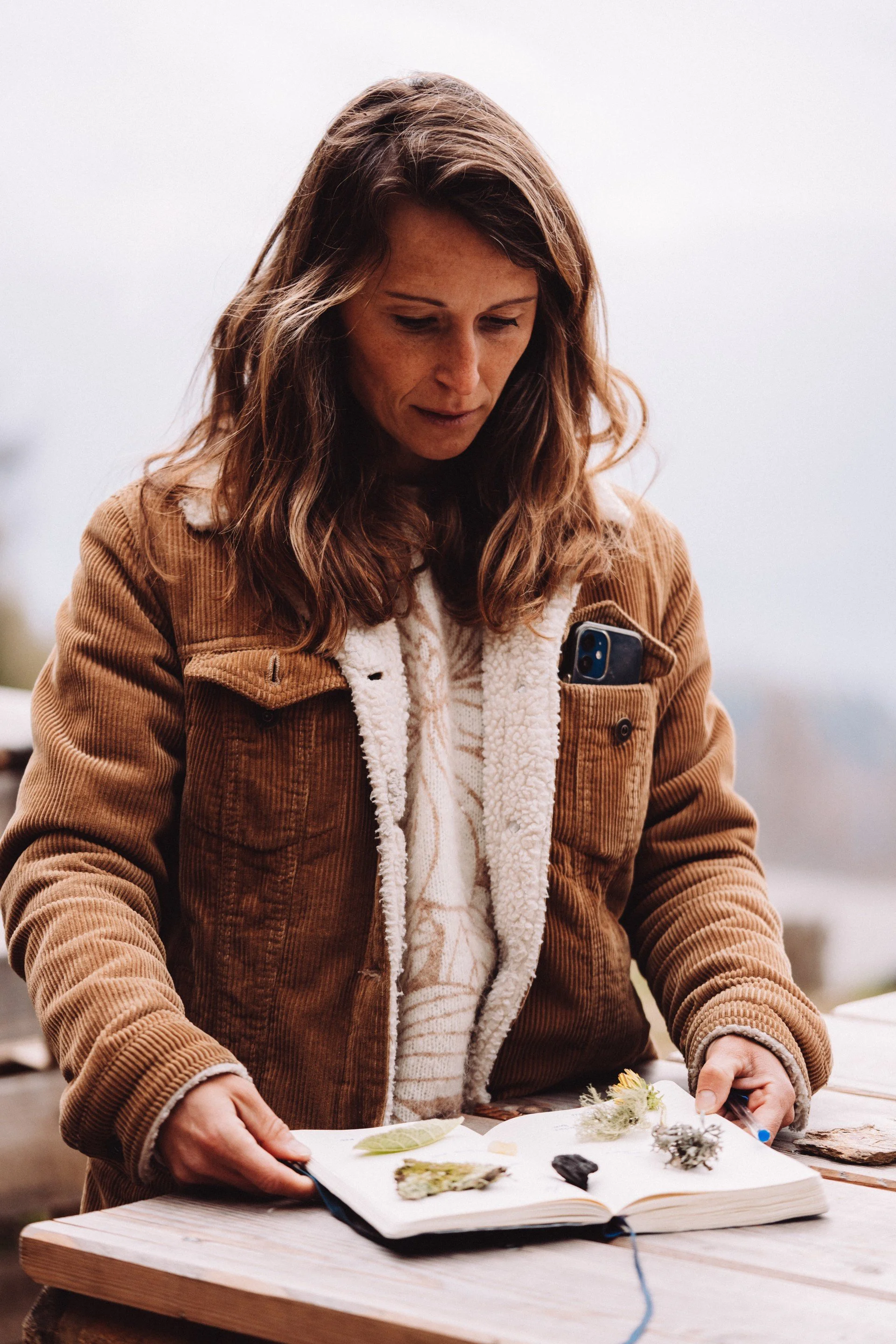
Feral’s founder Maddalena Zanoni
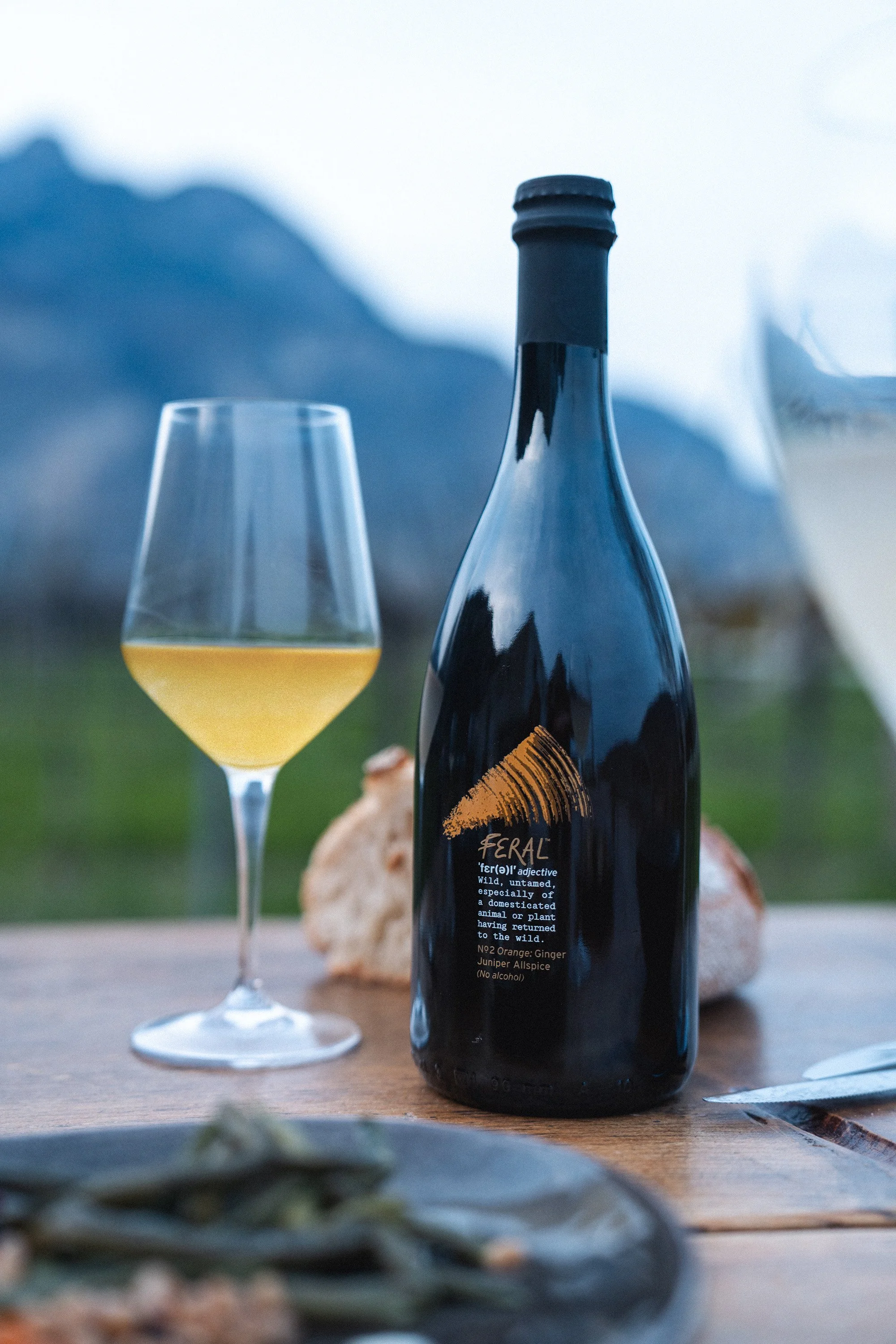
The result, as my parents and I found out when popping open a bottle for Christmas dinner, is a pleasantly tart beverage with notes of nectarine and pear. Warm notes of spice made it tingle delightfully in the throat. Made from white beet juice, Feral’s N°1 looks indistinguishable from a Chardonnay, but is—like all of this company’s offerings—alcohol-free and naturally fermented.
‘I moved to the mountains, and I fell back in love with botanicals.’
Founded in the Italian Dolomites by Maddalena Zanoni, Feral was born when Zanoni quit her consulting job and launched the brand. ‘I had a bit of a life crisis—I moved to the mountains, and I fell back in love with botanicals,’ she shares. ‘We spend five minutes on this planet, I thought: it’s better to just go fully with that time.’
‘But a hobby can only become a business if it solves a significant need,’ Zanoni continues. She found that Michelin-star restaurants were hoping to offer non-alcoholic options to their diners, who are increasingly opting for low- or non-alcoholic drinks.
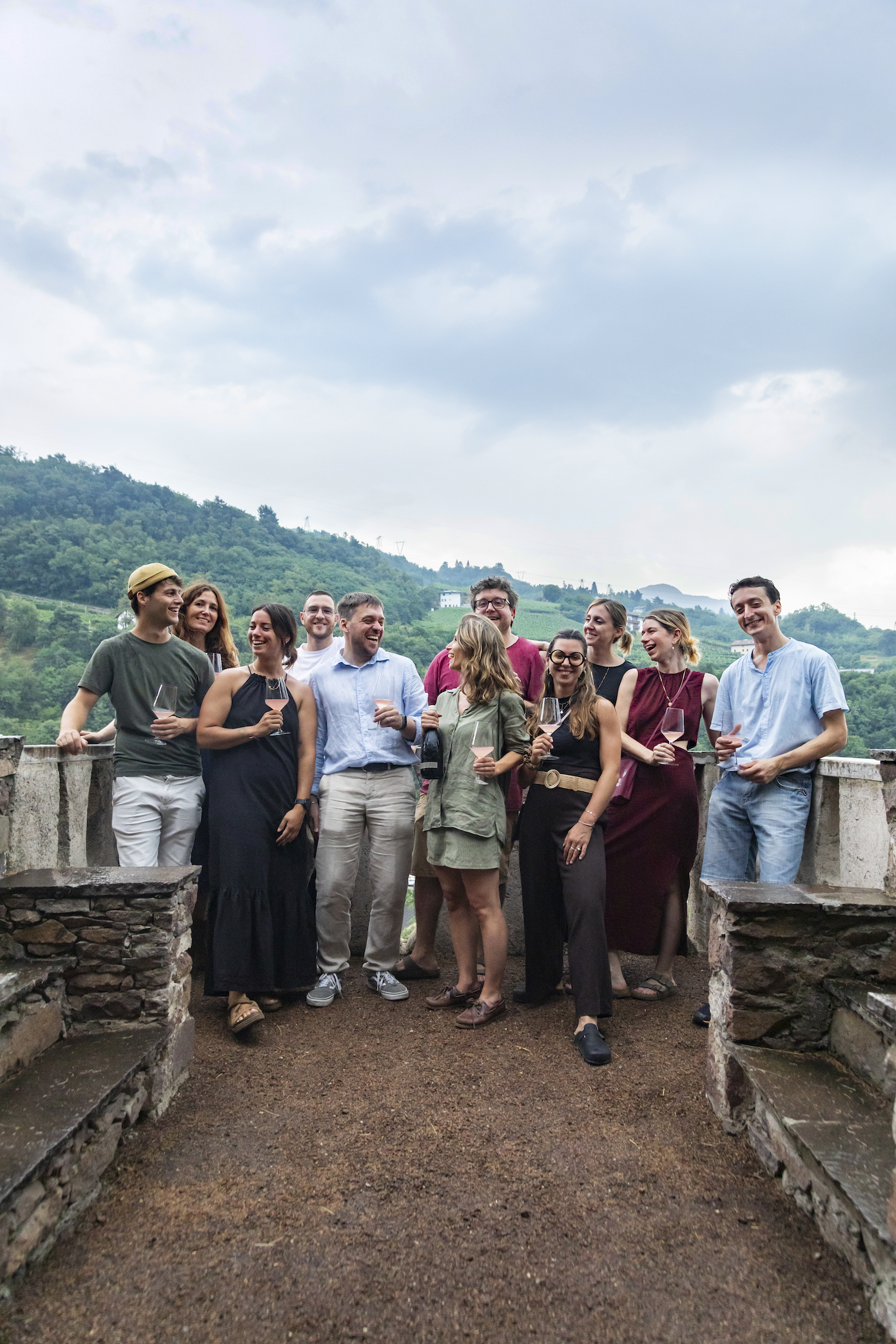
The team behind Feral
According to Drinkaware, in the last seven years alcohol-free drink consumption rose by 13% amongst young people; even amongst people classed as risky drinkers, non-alcoholic beverages have more than tripled in popularity. Whether to save money or boost wellbeing, this trend is reshaping how we drink—and dine.
‘The point is to find a way to have interesting gastronomic experiences without alcohol.’
The non-alcoholic drink boom has allowed Feral to partner with chefs from Michelin-starred establishments such as Joia, El Molin, and Senso, combining their expertise with that of Feral’s microbiology and beer-brewing specialists. Their goal: beverages that weren’t merely wines with alcohol removed, but non-alcoholic drinks that could be enjoyed on their own or paired with fine dining. Explaining that she’s completed sommelier courses and exams, Maddalena says, ‘I like wine. But the point is to find a way to have interesting gastronomic experiences without alcohol.’
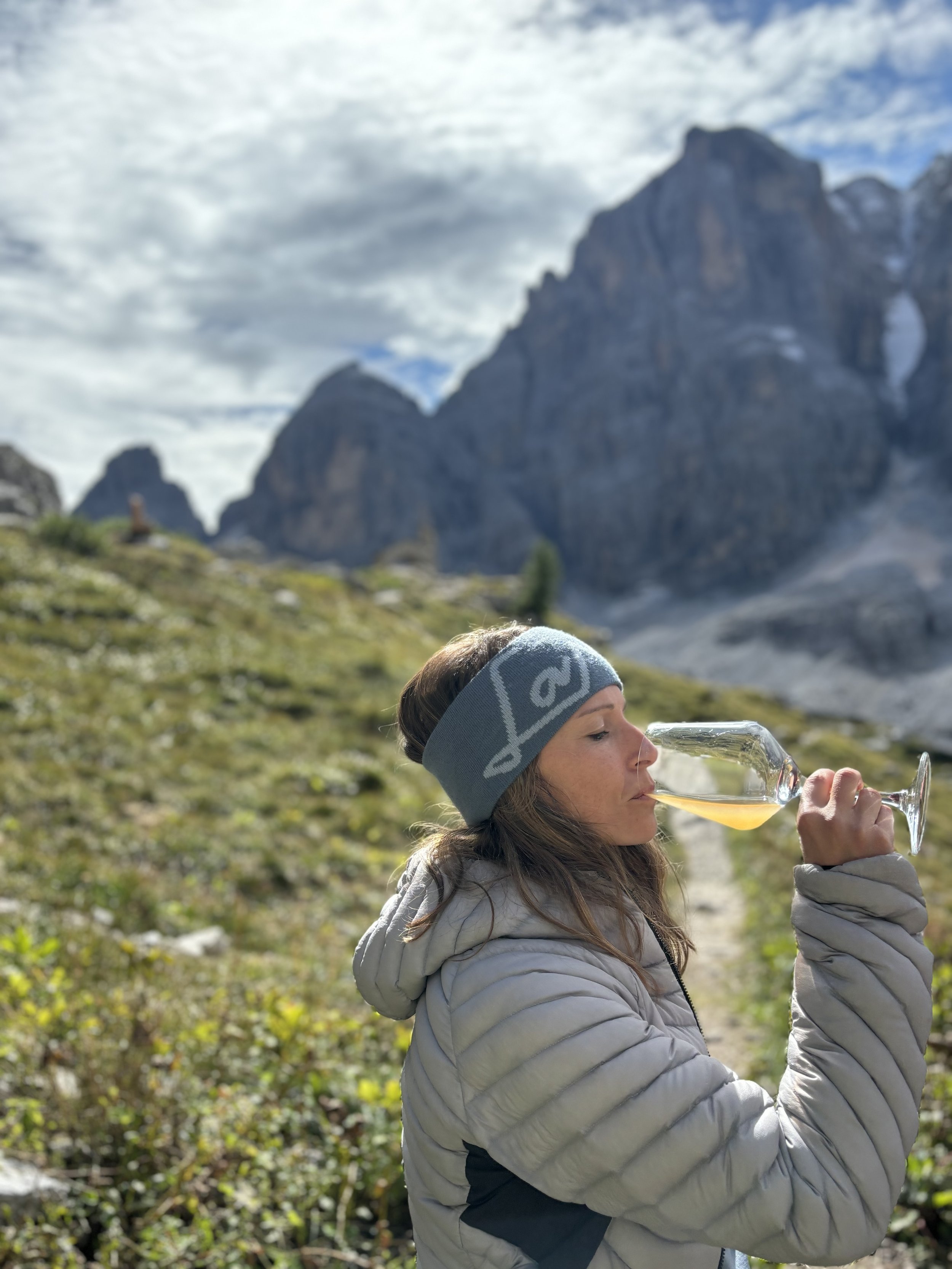
Feral doesn’t want to combine chemicals and additives to make cheap beverages. ‘We’re very much in contact with the raw material,’ Zanoni continues. Fermenting juices creates acidity and sweetness, while peppers and spices lend the warming sensation that’d normally come from alcohol. This emphasis on quality ingredients treated with care, she explains, follows in the footsteps of restaurants like René Redzepi’s Noma, whose use of fermentation and wild ingredients won them three Michelin stars.
‘We’re very much in contact with the raw material.’
The scenic charm of the Dolomites may seem more exciting than London’s gloom—but Zanoni thinks the UK has something thrilling to offer Feral. ‘In Italy we love our traditions,’ she says. ‘But at the same time, we’re a bit too afraid to do new things that our grandmas didn’t do.’ Even though she loves living in the Dolomites, she describes the region as having ‘less diversity of people and things’.
Having picked up a cosmopolitan mindset from travelling regularly in her previous jobs, Zanoni sees London as a city that looks outwards. ‘I’ve always thought there was huge potential in the UK,’ she shares. ‘And the wine market is large as well.’ But before expanding to British customers, she knew it was necessary to ‘build our muscles and train a bit’ in familiar markets like Italy and Belgium.
‘In Italy we love our traditions. But at the same time, we’re a bit too afraid to do new things that our grandmas didn’t do.’
This training has paid off. Feral’s sales have doubled in 2025, with 50% of their revenue coming from e-commerce. At more than 40 London eateries, from the Connaught Hotel’s bar to buzzy pasta restaurant Manteca, you can order a glass of Feral’s drinks with your dinner. ‘We feel like a bit more grown-up now,’ she tells me. ‘We’re ready to take the bet.’
Of course, all of this is a gamble. Is the non-alcoholic drink market’s boom just a bubble? As optimistic as Zanoni is about growth, she’s aware that plenty of companies will respond opportunistically, creating beverages solely to cash in on trends. ‘That’s how you end up with shelves full of low-quality products,’ Zanoni argues, predicting that when the bubble bursts, companies that don’t distinguish themselves will die off.
‘We’re talking about people and ideas that grow on the margins that nobody cares about, until all of a sudden they flourish.’
But like the wild and hardy plants she celebrates, Zanoni believes that Feral has what it takes to survive. In 2025 they launched their N°5 beverage, a dry sparkling refreshment made of birch sap, and as we speak they’re planning to launch N°6, created in collaboration with three-star restaurant Atelier Moessmer. The restaurant’s known for relying on ingredients found in the Dolomites (they don’t even use olive oil, as it’s not grown in that terrain), and Zanoni describes this new drink as an attempt to ‘brew the mountain’ and capture its flavours in a bottle; ‘It celebrates the scarcity of this place.’ says.
‘It’s nice to make a drink,’ she tells me, ‘but we also want to celebrate humble ingredients. We’re talking about plants that are misunderstood. We’re also talking about people and ideas that grow on the margins that nobody cares about, until all of a sudden they flourish.’
Images courtesy of Feral and Goya Communications